Why Newborns Fuss: Real Reasons and Calming Tips That Actually Work

Let’s be honest a fussy newborn can turn even the calmest home into a whirlwind of guesses, pacing, and sleep-deprived detective work. Is it gas? Hunger? A mysterious sixth sense? The truth is babies fuss a lot. But calming them? That’s where most guides get vague.
This post isn’t about “just burp them” or “try a lullaby.” We’re going beyond clichés to real-world soothing strategies that new parents swear by and that your baby might just love too.
Why Newborns Fuss (And It’s Not Always What You Think)
Most newborn fussiness doesn’t mean something is “wrong.” In fact, it’s often just their only way to communicate things like:
- “I’m overstimulated. Can you tone it down?”
- “My diaper’s not dirty, but it’s weirdly damp and I hate it.”
- “I was fine five minutes ago. Now I’m melting down. Deal with it.”
Sometimes, fussiness is simply a mood. Just like adults have days when everything feels a little off, babies also experience similar emotional waves. Your baby might be cranky without any visible reason. It could be tiredness, overstimulation, or just their version of a bad day. Accepting that not every fuss has a fix can be freeing for parents and calming for babies. Many fussiness episodes are closely linked to overall baby sleep and comfort, especially in the early weeks when babies are still adjusting to life outside the womb.
Many babies also fuss when they are overtired, so you can try these gentle newborn sleep tips to help them settle more easily.
Fussiness usually peaks around 6 to 8 weeks of age and yes, it passes. But during the storm, a few smart moves can turn chaos into calm.
1. The “Reset Hold” – A New Take on Classic Comfort
You’ve heard of swaddling and cuddling, but sometimes your baby needs something stronger: a full emotional and sensory reset.
Try this:
Hold your baby upright, cheek to your chest. Walk slowly in a figure-8 pattern while humming one low, steady note. Avoid talking. Let your hum become the only sound in the room.
This is not just soothing. It regulates your baby’s overstimulated nervous system and yours too. Many babies relax into a deeper sense of calm after just a few minutes.
2. Background Buzz That Doesn’t Sound Like a Jet Engine
White noise works. But some babies hate harsh static or loud apps.
Instead, try background sounds that feel familiar yet subtle:
- A recording of a running shower from another room
- A parent making rhythmic “shhh” sounds by mouth
- The hum of a washing machine playing from a few rooms away
Pro tip: Rotate sounds every few days. Babies get used to one sound quickly and it loses its effect. Small changes keep the calm going longer.
3. Baby Acting “Hangry”? Try a Preemptive Snack Swipe
Sometimes your baby is not fussing from hunger alone. They may have missed the hunger window and are now too agitated to latch or bottle feed calmly.
Solution: Try offering a feed a bit earlier than expected, even if they just ate 45 minutes ago. Think of it like a preemptive snack to avoid a meltdown. Cluster feeding is very common, especially during growth spurts or in the evening hours.
This can help your baby regulate their mood before it spikes.
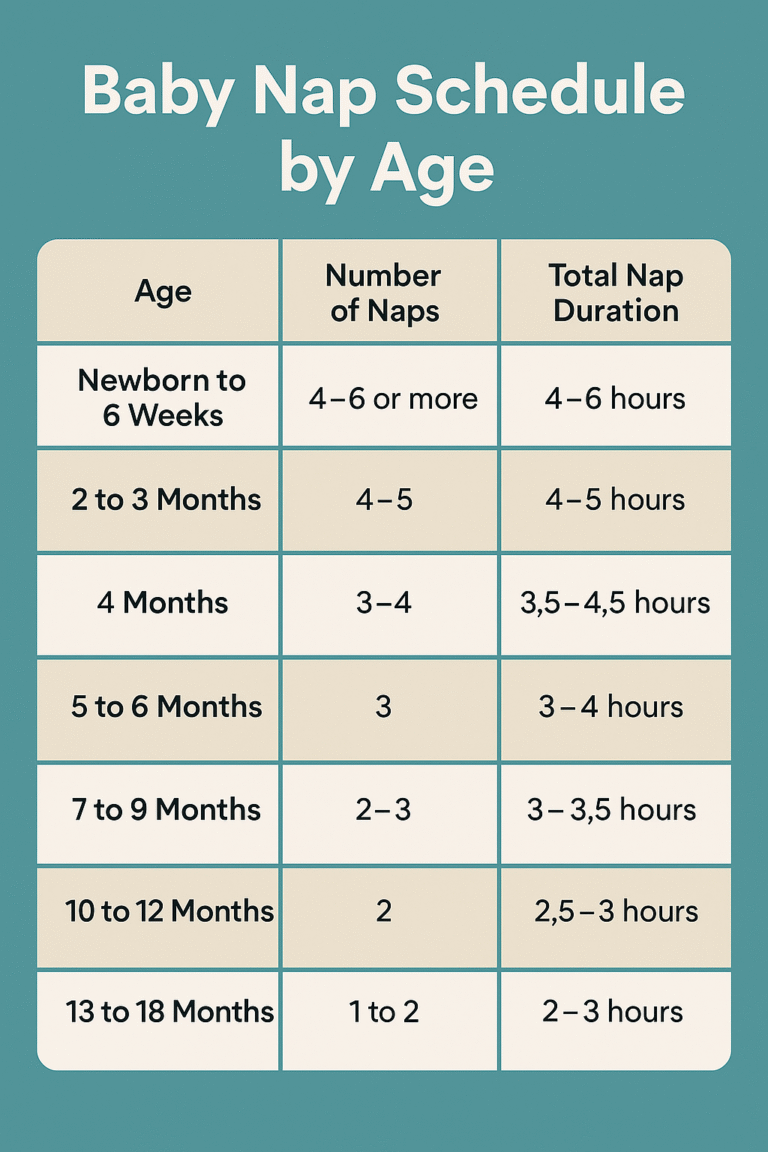
If your little one seems restless during the day, following a simple baby nap schedule can make a big difference in reducing fussiness.
4. The Weighted Whisper – A Little Trick from NICUs
If your baby is fussy but already fed, changed, and tired, try this gentle NICU-inspired method:
Swaddle them using a soft, breathable cloth. Place your palm gently but firmly on their chest as they lie on their back. Then say nothing. Just breathe slowly.
This simulates the gentle, constant presence they felt in the womb. It helps settle their heart rate and breathing. Parents have reported that their babies calm down in under two minutes with this method.
5. The Mirror Method – Calm Yourself First
This one is less about your baby and more about you. Babies pick up on your emotional tone, even tiny changes. If you are anxious, frustrated, or flustered, they can sense it.
Try this:
Breathe out longer than you breathe in, such as 4 seconds in and 6 seconds out. Maintain gentle eye contact while offering a soft, natural smile. You can even whisper nonsense sounds to relax your own face and jaw.
You’re not just trying to calm them. You’re entering a synced emotional space where they feel safe simply because you feel steady.
When to Worry (and When Not To)
Fussiness is part of newborn life. But there are a few signs that mean you should check in with your pediatrician:
- A high-pitched cry that lasts more than 3 hours daily for several days
- Constant leg curling or body stiffening
- Refusal to feed or crying after every feed
- Fever, rash, or vomiting
As a parent, your instincts matter. If something feels off, do not hesitate to call for guidance.
Final Thought: You’re Not Doing It Wrong
There is no universal method that works every time. One day your baby may love being rocked. The next day they might scream until you hold them still. This is normal.
Soothing a newborn is not about fixing them. Understanding how sleep, comfort, and emotional security work together can make this phase easier. Our baby sleep and comfort guide explains this gently and realistically. It is about understanding their cues, adjusting your approach, and being patient as they grow into their own rhythm.
Even if nothing seems to work right now, just know that showing up matters more than any method. You are their safe space. You are enough.




Such a gentle and comforting read.