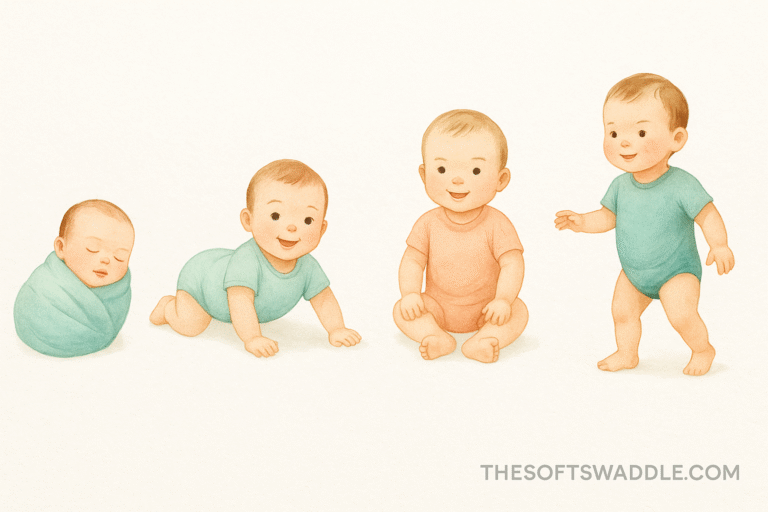
Why Babies Under Age Two Bite When Angry: Understanding Early Emotional Development
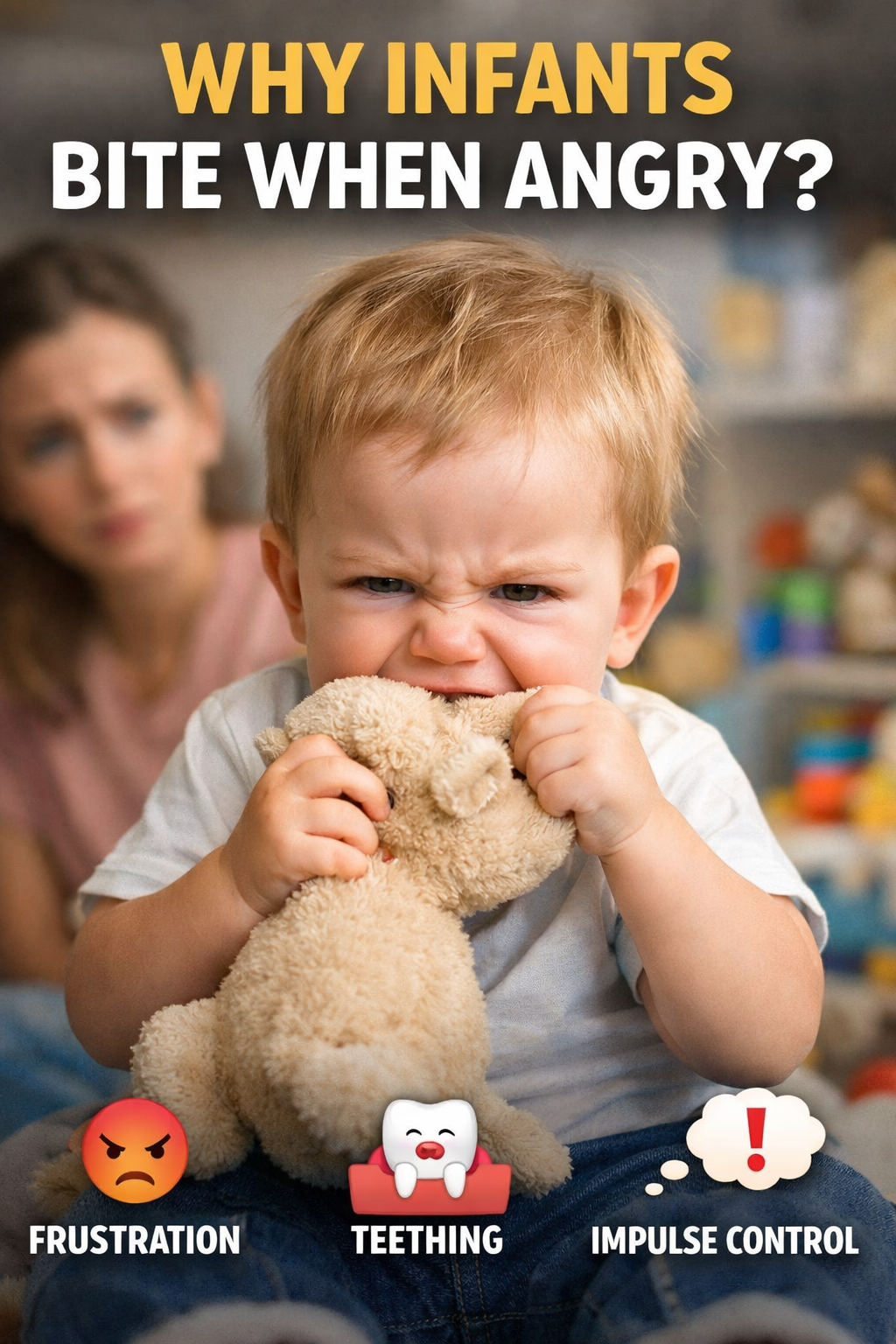
Why babies under age two bite when angry is a question many parents quietly search at night after being surprised by tiny teeth during a meltdown. If your baby or toddler has suddenly started biting when frustrated, upset, or overwhelmed, you are not alone. Biting in children under two years old is common and, in most cases, completely developmentally normal.
Still, it can feel confusing and even worrying. Is it aggression? Is it bad behavior? Are you doing something wrong? The short answer is no. Let us explore what is really happening inside your child’s growing brain and body.
Why babies under age two bite when angry?
Understanding why infants bite when angry starts with understanding development. Babies and young toddlers are still learning how to communicate, regulate emotions, and control impulses.
Here are the main reasons biting happens:
1. Limited Language Skills
Children under two do not yet have the words to express big feelings. When they feel angry, frustrated, or overstimulated, they cannot say:
I am upset
I do not like that
Give it back
Stop touching me
Instead, their body reacts. Biting becomes a fast physical way to express a strong emotion.
At this age, communication is physical before it becomes verbal.
2. Emotional Overload
Infants feel emotions intensely. Their brains are still developing the ability to regulate feelings. The emotional control center of the brain is immature, so when anger hits, it hits hard.
Imagine feeling overwhelmed but having no tools to calm yourself. That is what your child experiences.
Biting is often a release of emotional pressure rather than intentional harm.
3. Teething Discomfort
Between six months and two years, most children are teething and also beginning new oral experiences like starting solids, which increases the urge to bite and explore.
Sometimes what looks like anger biting is actually discomfort biting triggered by frustration.
4. Exploring Cause and Effect
Infants are natural scientists. They experiment constantly.
If they bite and see a big reaction, they learn something important:
Biting gets attention.
Biting creates change.
Even negative reactions can reinforce behavior at this stage.
5. Sensory Regulation
Some children bite because they are seeking sensory input. Biting provides strong pressure feedback in the jaw, which can actually feel calming to certain children.
If a child is overstimulated, tired, or overwhelmed, biting may be an attempt to regulate their nervous system.
6. Impulse Control Is Not Developed
Impulse control develops slowly over the first few years of life. Children under two act first and think later. They do not pause to consider consequences.
Biting during anger is often an impulsive reaction, not a planned behavior.
Is Biting a Sign of Aggression?
Most of the time, no.
True aggression involves intent to harm. Infants do not have the cognitive maturity for that level of intention. Their behavior is reactive, not malicious.
Biting at this stage is usually about:
Frustration
Communication
Overstimulation
Teething
Attention
Understanding this helps parents respond calmly rather than emotionally.
Common Situations When Infants Bite
You may notice biting happens in predictable moments. For example:
During toy conflicts
When tired or hungry
When a parent says no
During overstimulating play
At daycare around other children
While nursing
When separating from a caregiver
Patterns matter. Observing when biting happens can help you prevent it before it starts.
How to Respond When Your Infant Bites
Your reaction matters more than you think. Calm, consistent responses teach better than emotional reactions.
1. Stay Calm
It may hurt, but try not to yell. Strong reactions can unintentionally reinforce the behavior.
Take a breath. Lower your voice. Model calmness.
2. Be Clear and Simple
Use short phrases such as:
No biting
Biting hurts
Gentle hands
Children under two understand tone and repetition more than long explanations.
3. Comfort the Victim First
If your child bites another child, attend to the one who was hurt first. This teaches empathy without shaming your child.
Then calmly redirect your child.
4. Teach Alternatives
Help your child express anger safely.
Show them how to:
Say stop
Use simple signs
Push a pillow
Ask for help
Take deep breaths
Use teething toys
Over time, repetition builds new habits.
5. Watch for Triggers
If biting happens when tired, adjust nap schedules.
If it happens during toy fights, supervise more closely.
If it happens during teething, provide safe chew options.
Improving your baby’s nap routine and following an age-appropriate sleep schedule can significantly reduce emotional outbursts. Prevention reduces the need for correction.
Should You Worry About Frequent Biting?
In most cases, biting peaks between one and two years of age and decreases as language and emotional skills improve.
You may want to speak with a pediatrician if:
Biting continues past age three
Your child seems unusually aggressive
There are developmental concerns
Biting is extreme and constant
But occasional biting during toddlerhood is very common.
How Long Does the Biting Phase Last?
For most children, biting reduces significantly by age two and a half to three years. As language improves, biting usually fades naturally.
Growth in the following areas helps:
Vocabulary expansion
Better impulse control
Improved emotional regulation
Social learning
Brain maturity
Patience is essential. Development cannot be rushed.
What Not to Do
Certain reactions can make biting worse.
Avoid:
Biting your child back
Shaming or labeling them as bad
Long lectures
Laughing at the behavior
Overreacting dramatically
Children learn best from calm guidance, not fear.
The Bigger Picture of Emotional Development
Anger is not bad. It is a normal human emotion. Your infant is not wrong for feeling angry.
Your job is not to eliminate anger. Your job is to teach safe expression.
When you respond calmly, you are teaching:
Emotions are manageable
Mistakes are learning opportunities
Anger does not damage relationships
Safe communication is possible
This foundation shapes emotional intelligence later in life.
Encouraging Healthy Emotional Skills
Even infants benefit from emotional language exposure.
Try saying:
You are feeling angry
You did not like that
You wanted the toy
You are frustrated
Naming emotions builds neural pathways that support self regulation.
Reading books about feelings, modeling calm behavior, and practicing gentle touch all help.
Why Understanding Why Babies Under Age Two Bite When Angry Matters
Understanding why infants bite when angry shifts your mindset from punishment to guidance. It helps you see behavior as communication rather than defiance.
When parents view biting through a developmental lens, they:
Respond more calmly
Build stronger attachment
Teach emotional skills
Reduce repeat behavior
Most importantly, they protect the parent child bond.
Final Thoughts
Biting in infants can feel shocking and embarrassing, especially in social settings. But it is usually a short lived developmental phase rooted in communication limits, emotional overload, and impulse control immaturity.
Your child is not aggressive. They are learning.
With calm responses, consistent boundaries, and emotional coaching, biting fades and language grows. What feels overwhelming today often becomes just a memory in a few months.
If you are navigating this stage right now, take comfort in knowing it is common, temporary, and manageable. Growth is happening beneath the surface, even when it does not feel like it.