Tummy Time for Babies: Simple and Powerful Ways to Boost Development
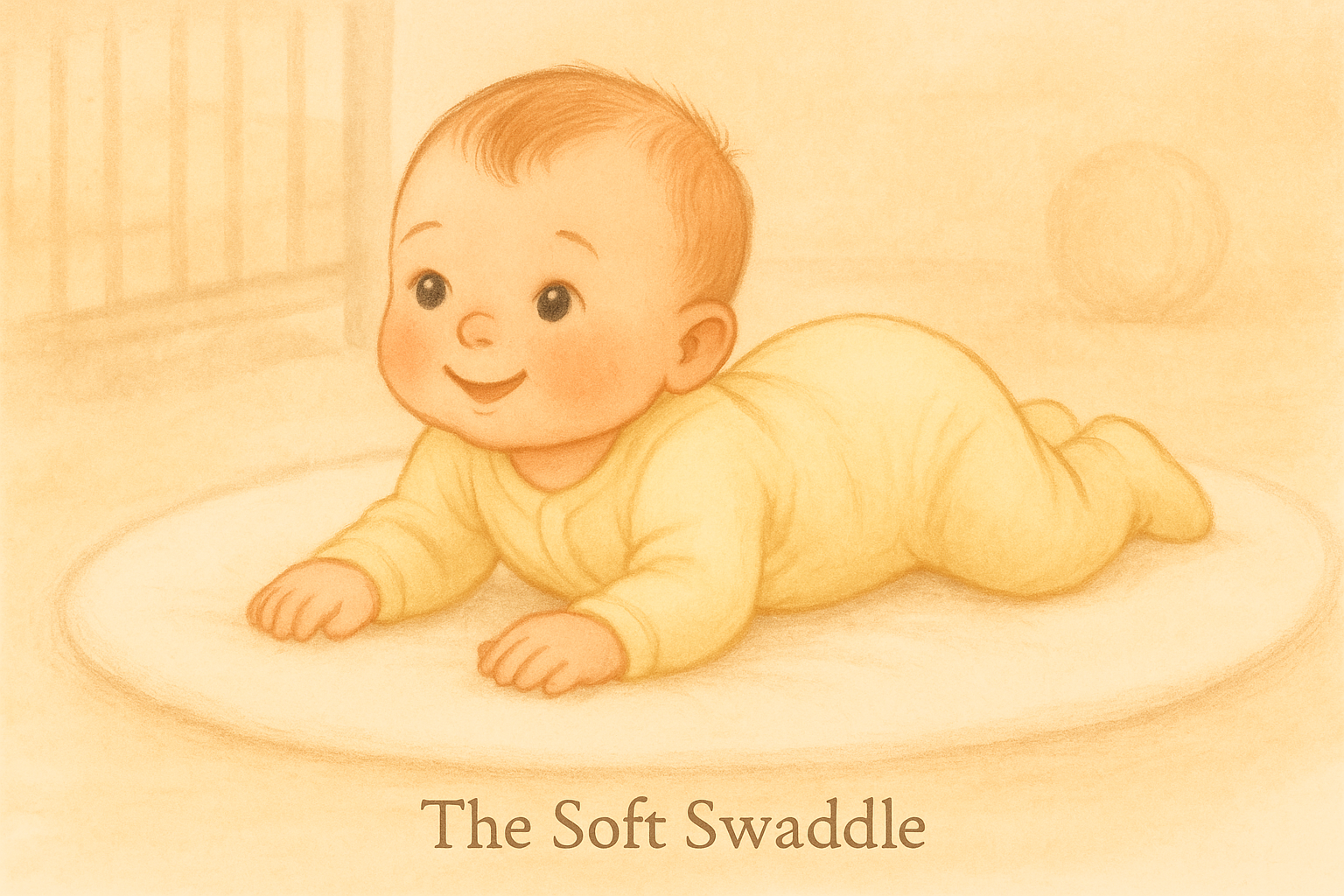
Tummy time for babies is one of the most simple and powerful ways to support early growth and development. This gentle daily activity helps your baby build strength, coordination, and confidence from the very beginning. When you place your baby on their tummy, you are not only helping them develop stronger muscles but also nurturing the foundation for rolling, crawling, sitting, and eventually walking.
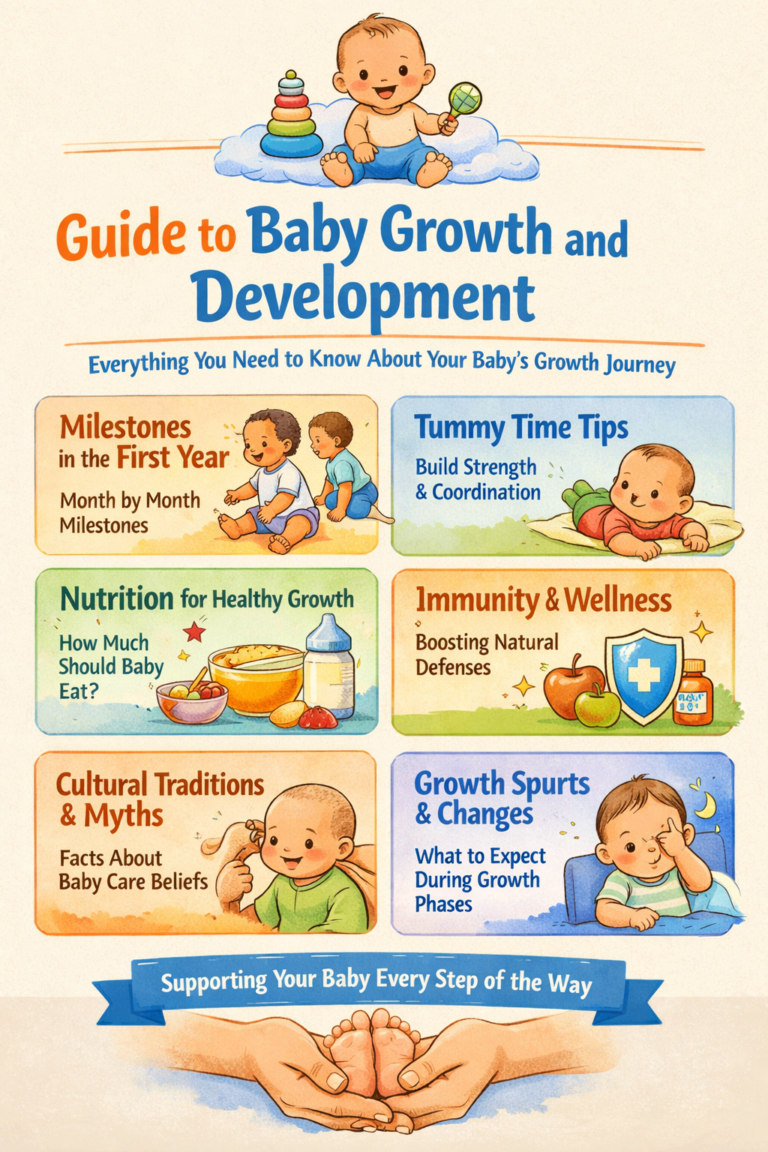
These early movements play an important role in overall baby growth and development, helping your baby build strength, coordination, and confidence over time.
In this guide, we will explore why tummy time is essential for your baby’s physical and sensory growth, how long each session should last, and how to make it an enjoyable and loving experience that helps your baby thrive.
What Is Tummy Time
Tummy time simply means placing your baby on their stomach while they are awake and supervised. It allows them to lift their head, move their arms, and build the muscle strength they need for key milestones.
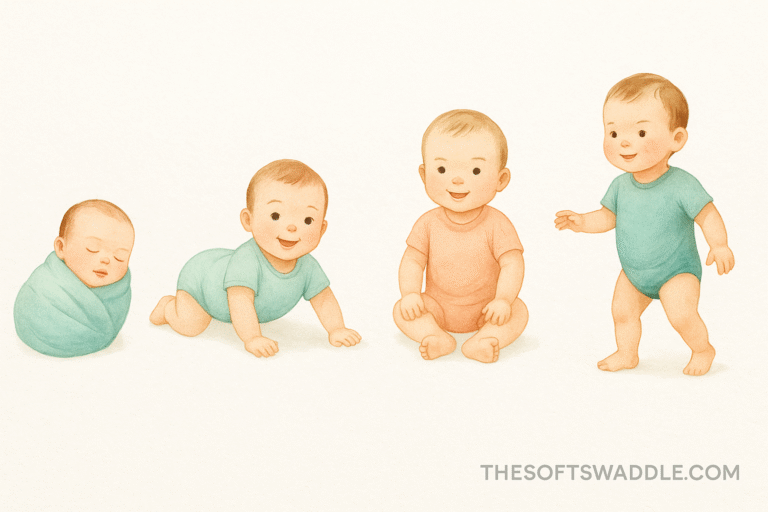
These early movements set the stage for major milestones such as rolling, sitting, and crawling. You can explore our detailed guide on milestones in the first year to understand how tummy time supports every stage of your baby’s growth.
This position encourages your baby to look around and interact with their surroundings from a new perspective. It strengthens their muscles while also stimulating vision, touch, and curiosity. Even though some babies may not enjoy it at first, with patience and gentle encouragement, they soon become comfortable and even start to look forward to it.
Why Tummy Time for Babies Is So Important
Tummy time plays a major role in your baby’s development. It helps them grow stronger, improves motor skills, and supports healthy brain and body coordination. Here are some of the most important benefits.
All of these benefits contribute to long term baby growth and development, supporting physical movement, sensory learning, and emotional confidence as your baby grows.
Builds Core and Neck Strength
Lifting the head and pushing up with arms helps babies build strength in their neck, shoulders, arms, and upper back. These muscles are essential for rolling, sitting, and crawling later on.
Prevents Flat Head Syndrome
Since babies spend a lot of time lying on their backs, flat spots can sometimes form on the back of the head. Regular tummy time gives the skull a break and promotes natural head shape development.
Improves Coordination and Balance
Tummy time helps babies learn how to shift their weight, move their arms, and stabilize their bodies. These early coordination skills form the base for future movement.
Promotes Sensory Development
When babies lie on their tummies, they touch new textures, see the world from a lower view, and respond to new sounds around them. These small experiences enrich sensory awareness.
Encourages Motor Skill Growth
Each movement during tummy time, from lifting the head to kicking the legs, strengthens the body and teaches control. These movements later translate into crawling and exploring.
Supports Eye and Hand Coordination
Following toys or a parent’s face during tummy time helps babies practice visual tracking. It also teaches them how to coordinate eye and hand movement together.
When to Start Tummy Time
You can begin tummy time as soon as your baby comes home from the hospital. Even newborns can benefit from a few minutes a day on their tummies while awake and supervised.
Start with just one or two minutes at a time and repeat it a few times a day. As your baby grows and builds strength, increase the duration. By around three months, most babies can handle several sessions that add up to twenty to thirty minutes a day.
Always remember to do tummy time only when your baby is alert, comfortable, and not right after feeding.
How Much Tummy Time Does a Baby Need
Every baby is different, so there is no single rule for how long tummy time should last. The goal is to build it gradually as your baby grows stronger. Use this simple guide to help plan your sessions.
| Age | Recommended Duration |
|---|---|
| 0 to 2 months | 1 to 3 minutes several times a day |
| 2 to 4 months | 10 to 15 minutes a few times daily |
| 4 to 6 months | 20 to 30 minutes total per day |
| 6 months and older | Continue playtime on the floor to encourage crawling and sitting |
Short and frequent sessions are more effective than one long one. You can easily fit tummy time after naps or diaper changes.
How to Make Tummy Time Fun
Tummy time should feel playful and enjoyable for both you and your baby. Turning it into a bonding activity will help your baby stay relaxed and happy.
Get Down to Their Level
Lie on the floor facing your baby and make eye contact. Talk, smile, or sing softly. Your familiar voice and face will comfort them.
Use a Soft Blanket or Mat
Lay your baby on a clean, comfortable surface. You can place a rolled towel under their chest for gentle support during the early weeks.
Add Bright Toys
Colorful toys, rattles, or a baby mirror can hold your baby’s attention and motivate them to look around and lift their head.
Try Chest to Chest Tummy Time
Place your baby on your chest while you recline slightly. This position is comforting for newborns and helps them strengthen their neck muscles while bonding with you. You can also combine tummy time with gentle skin contact for extra comfort. Read more about why skin-to-skin is important for babies and how it strengthens your baby’s emotional connection and physical growth.
Use Gentle Music
Soft sounds or lullabies create a calming atmosphere and keep your baby engaged.
What to Do If Your Baby Dislikes Tummy Time
It is common for babies to fuss or cry during tummy time, especially when it is new. They are learning to use new muscles and may get tired quickly. Fussiness during play is often linked to tiredness or overstimulation, which is why understanding overall baby sleep and comfort can help parents choose the right time for activities like tummy time. Here are some ways to make it easier.
- Choose times when your baby is awake and cheerful, such as after a nap or diaper change.
- Keep each session short and increase it slowly as they get used to it.
- Use a favorite toy or your voice to distract and comfort them.
- Try doing tummy time on your lap or chest before moving to the floor.
- Praise your baby and offer smiles to make it a positive experience.
Consistency is key. Within a week or two, most babies start to enjoy the activity as they grow stronger.
Safety Tips for Tummy Time
Your baby’s safety should always come first. Keep these important tips in mind every time you do tummy time.
- Always supervise your baby closely.
- Use a flat, firm surface and avoid soft beds or couches.
- Do not do tummy time right after feeding.
- Remove any loose blankets, pillows, or toys that could block breathing.
- Stop immediately if your baby seems uncomfortable or very tired.
When to Talk to Your Pediatrician
By around two months, most babies can lift their head for short periods. By four months, they should be able to push up with their arms. If your baby still struggles with head control, seems stiff or weak, or shows little interest in movement, mention it to your pediatrician.
Every baby develops differently, but early guidance can help track progress and ensure healthy growth.
Encouraging Confidence Through Tummy Time
Each minute spent on tummy time builds your baby’s confidence and curiosity. It teaches them how to move, explore, and interact with the world. Over time, you will notice small but meaningful progress such as stronger head control, better coordination, and more smiles during playtime.
Tummy time is not a competition. Some babies take longer to enjoy it and that is completely fine. The key is to keep it gentle, consistent, and full of encouragement. Every short session contributes to your baby’s strength and happiness.
Final Thoughts on Tummy Time for Babies
Tummy time for babies is more than just a simple activity. It is a daily opportunity for bonding, learning, and growth. It strengthens your baby’s body, sharpens their senses, and prepares them for exciting milestones ahead.
Start slowly, stay consistent, and keep it positive. Before long, you will see your baby confidently lifting their head, rolling over, and exploring the world with joy.
The love and effort you put into these small moments will shape your baby’s strength and confidence for a lifetime.



2 Comments