Should We Shave Head of Babies? Myths, Benefits, Risks, and What Parents Should Know
Should we shave head of babies is one of the most common questions new parents ask, especially in cultures where head shaving is considered a tradition or believed to improve hair growth. Some families follow it for religious reasons, while others do it because they have heard it makes hair thicker, healthier, or cleaner. With so many opinions and emotions involved, it can be confusing to decide what is right for your baby.
This article takes a calm, balanced, and evidence based look at baby head shaving. We will explore cultural beliefs, medical facts, common myths, possible benefits, real risks, and how to make a decision that feels right for your family and your baby.
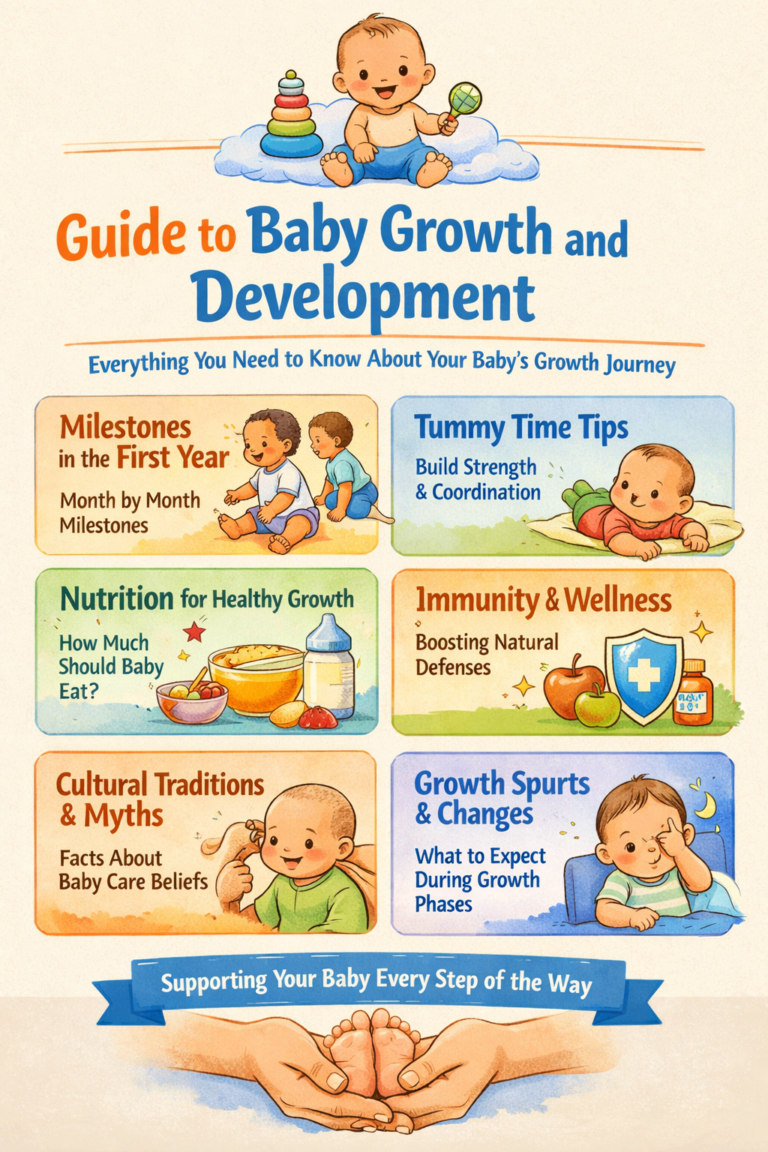
Decisions like head shaving are often connected to broader questions about health, traditions, and overall baby growth and development, which is why understanding the bigger picture can be reassuring for parents.
What Does Shaving a Baby’s Head Mean?
Shaving a baby’s head usually involves removing all or most of the hair from the scalp, often within the first year of life. In many households, this is done within a few weeks or months after birth. In some traditions, it is performed as part of a religious ceremony. In others, it is simply considered good hygiene or a way to promote better hair growth.
While the practice is common in many parts of the world, especially in South Asia, the Middle East, and some African cultures, it is far less common in Western countries. This difference often leads parents to wonder whether the practice is necessary or even safe.
Cultural and Traditional Reasons for Shaving a Baby’s Head
For many families, shaving a baby’s head is not a cosmetic decision but a cultural or spiritual one.
In some traditions, head shaving is believed to cleanse the baby of negative energy or past life influences. In others, it symbolizes a fresh start or the shedding of impurities from birth. Some parents also view it as an act of gratitude or devotion.
These practices are deeply meaningful for many families. It is important to acknowledge that cultural rituals often serve emotional and social purposes beyond physical outcomes. However, cultural significance does not automatically mean medical benefit.
Should We Shave Head of Babies for Hair Growth?
This is the most widespread belief and also the most misunderstood one.
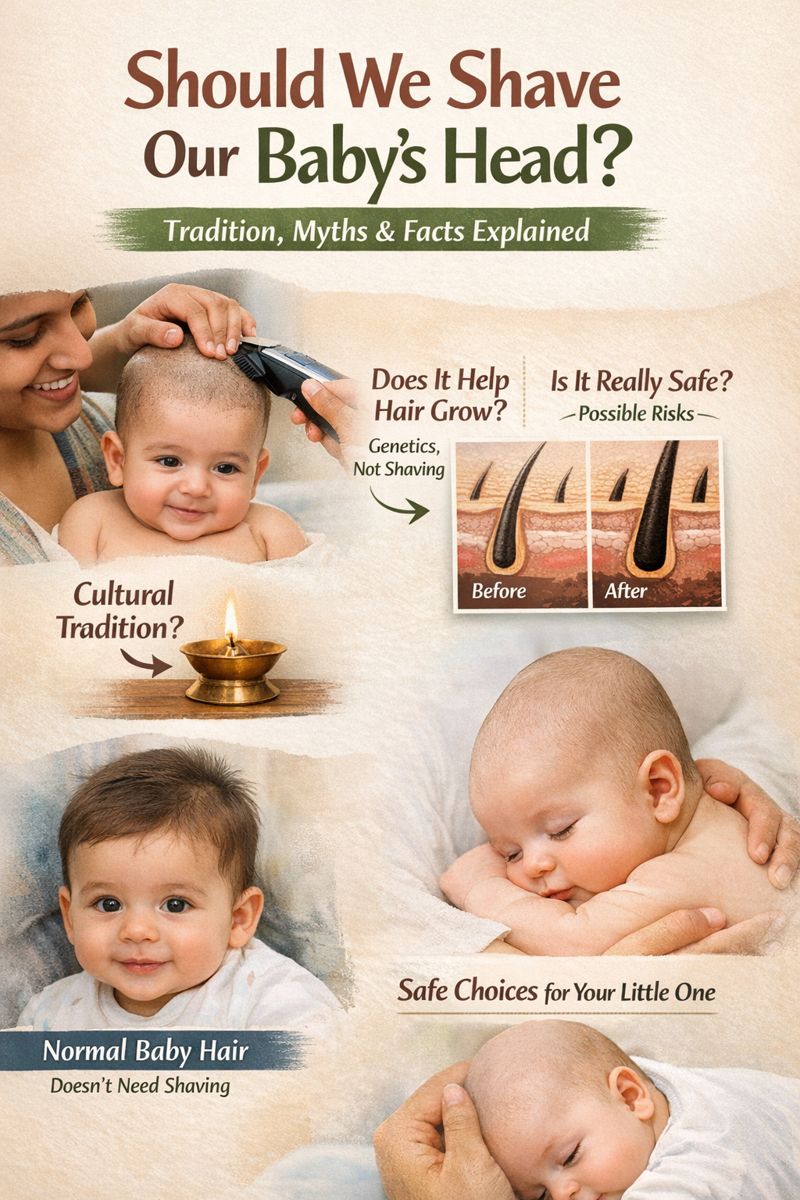
Many people believe that shaving a baby’s head makes the hair grow back thicker, darker, or faster. From a medical and biological perspective, this is not true.
Hair thickness, texture, color, and growth rate are determined by genetics and hormones, not by shaving. When hair is shaved, it grows back with blunt ends rather than tapered ones. This can make the hair feel coarser initially, giving the illusion of thickness. Over time, the hair returns to its natural texture.
Shaving does not change the number of hair follicles on the scalp. Babies are born with all the hair follicles they will ever have. No shaving method can increase or improve them.
Understanding Baby Hair Development
Baby hair goes through several natural phases.
Many babies are born with soft hair that falls out within the first few months. This is normal and is caused by hormonal changes after birth. New hair grows in its place, often with a different texture or color. During this phase, simple routines like gentle washing, soft brushing, or baby massage are usually enough to keep the scalp comfortable while hair changes happen naturally.
Some babies are born nearly bald and grow hair slowly. Others have thick hair from birth. All of this falls within the range of normal development.
Hair growth during infancy is highly individual. Comparing one baby to another often leads to unnecessary worry.
Are There Any Real Benefits of Shaving a Baby’s Head?
There are a few practical reasons some parents choose to shave their baby’s head, though these benefits are limited and situational.
- Easier Scalp Cleaning – Shaving can make it easier to clean the scalp if a baby has severe cradle cap or persistent buildup. However, this is rarely necessary. Gentle washing and brushing are usually enough.
- Cultural Fulfillment – For families following traditions, shaving may bring emotional comfort and a sense of continuity. Emotional well being of parents is also important.
- Reduced Tangling – Some babies with uneven hair growth may experience tangling or matting. Shaving can temporarily simplify hair care.
These benefits are practical rather than medical and are not essential for healthy development. Healthy hair, skin, and scalp outcomes are influenced far more by nutrition, care, and environment, all of which are key elements of long term baby growth and development.
Potential Risks of Shaving a Baby’s Head
While shaving is generally not dangerous when done carefully, it is not completely risk free.
- Risk of Infection – Any small cut on the scalp can become an entry point for bacteria, especially if tools are not properly sterilized.
- Temperature Regulation – Hair helps regulate body temperature. Hair provides a small but helpful layer of protection against weather. Without it, babies can become more sensitive to cold or heat, particularly during seasonal changes that require extra care and attention.
- Sunburn – A shaved scalp has no natural protection from sunlight. Babies have very sensitive skin and can burn easily.
- Stress and Discomfort – Some babies find the process uncomfortable or distressing, especially if they are restrained or unfamiliar with the sensation.
When Shaving Can Be Especially Risky
There are situations where shaving should be avoided or delayed.
- Babies with eczema, rashes, or scalp infections
- Premature babies with fragile skin
- Babies who have had recent illnesses
- Situations where hygienic tools are not available
In these cases, it is safer to wait or avoid shaving altogether.
What Pediatricians and Medical Experts Say
Most pediatricians agree on one key point. Shaving a baby’s head is not medically necessary.
Doctors do not recommend shaving as a way to improve hair growth, scalp health, or hygiene. If parents choose to do it for cultural or personal reasons, doctors advise doing it safely and gently.
Medical professionals emphasize that normal scalp care with mild baby shampoo and soft brushing is sufficient for most babies.
How to Shave a Baby’s Head Safely If You Choose To
If you decide to shave your baby’s head, safety and comfort should come first.
- Choose the Right Time – Pick a time when your baby is calm, well rested, and fed.
- Use Clean and Proper Tools – Use a new or thoroughly sterilized blade. Avoid sharing tools.
- Avoid Dry Shaving – Wet the scalp with warm water to reduce friction.
- Go Slowly and Gently – Never rush. Stop immediately if your baby becomes distressed.
- Protect the Scalp After – Apply a gentle baby safe moisturizer and keep the head protected from sun and cold.
Should We Shave Head of Babies According to Religion?
Religious guidance varies widely. Some traditions strongly encourage the practice, while others view it as optional or symbolic.
If religion is a factor for you, it may help to speak with a trusted elder or spiritual guide. Many families adapt rituals in ways that prioritize the baby’s comfort and safety while still honoring tradition.
It is also okay to postpone or modify rituals. Intent often matters more than strict timing.
Common Myths About Shaving a Baby’s Head
Let us clear up some persistent myths.
Myth one: Shaving makes hair thicker
This is false. Hair thickness is genetic.
Myth two: Shaving removes birth impurities
There is no scientific basis for this belief.
Myth three: Shaving is required for healthy hair
Healthy hair depends on nutrition, genetics, and gentle care.
Myth four: All babies should be shaved
There is no universal rule. Each family and baby is different.
Alternatives to Shaving
If your goal is scalp health or hygiene, there are gentler alternatives.
- Regular washing with mild baby shampoo
- Soft brushing to remove flakes
- Coconut or baby oil massage for dry scalp
- Leaving hair alone and letting it shed naturally
These methods support scalp health without removing hair.
Emotional Aspect of the Decision
Parenting decisions are rarely just logical. They are emotional, cultural, and deeply personal.
Some parents feel pressure from relatives. Others worry about judgment if they do or do not shave their baby’s head. It is important to remember that you are the primary decision maker for your child.
A calm, informed choice is always better than one made out of fear or pressure.
When Is the Best Time If You Decide to Shave?
There is no medically recommended age. Some families choose a few weeks after birth. Others wait several months or even a year.
From a safety perspective, waiting until the baby has stronger neck control and more resilient skin can reduce risks. There is no harm in waiting or skipping it entirely.
Final Thoughts on Whether We Should Shave Head of Babies
So, should we shave head of babies? The honest answer is that it depends on your family, your beliefs, and your comfort level.
There is no medical need to shave a baby’s head. It does not improve hair growth or health. When done safely, it is usually not harmful, but it is also not necessary.
If shaving holds cultural or emotional meaning for your family, it can be done gently and safely. If you choose not to shave, your baby’s hair will grow just fine on its own.
What matters most is your baby’s comfort, safety, and well being. Trust your instincts, stay informed, and remember that every baby and every family is different.