The Ultimate Guide to Safe Baby Bathing: Step-by-Step Tips for New Parents
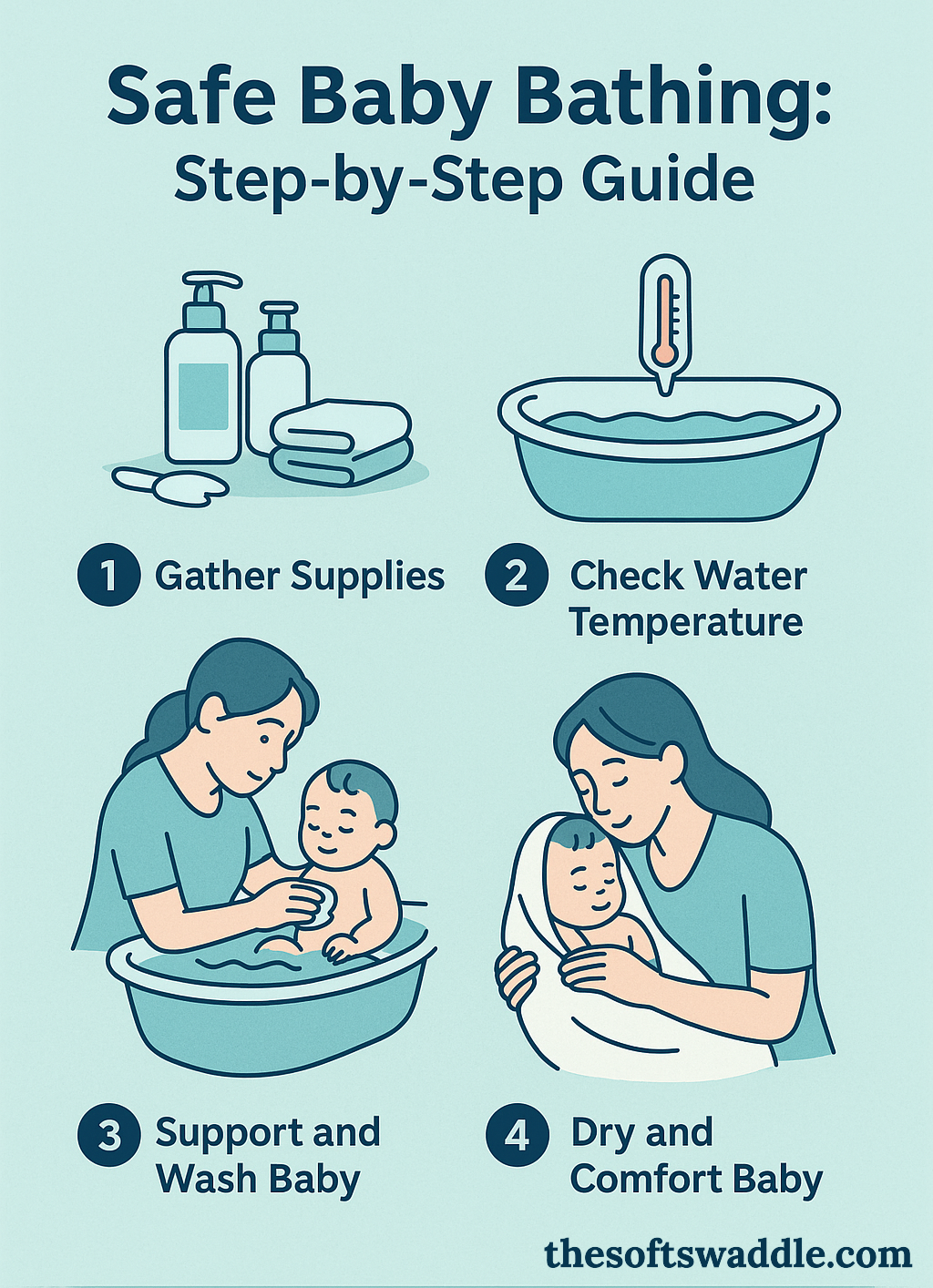
Safe baby bathing is one of the most precious routines new parents share with their little one. While it may feel intimidating at first, with the right approach it becomes a calm, bonding experience filled with warmth and comfort. Bath time is not just about keeping your newborn clean, it is also about creating joyful moments of closeness, soothing your baby’s senses, and allowing family members to connect in a loving way.
Why Baby Bathing Matters Beyond Hygiene
Bathing is not only about cleanliness. For babies, the warm water and gentle touch can be very soothing. It is also one of the few times, apart from feeding and sleeping, when your baby can truly enjoy a parent’s undivided attention and touch. This skin-to-skin contact promotes bonding, helps regulate your newborn’s body temperature, and reassures them with your familiar voice and smell.
As babies grow, bath time becomes even more enjoyable. Once your baby can sit independently, usually around 6 to 7 months, they begin to explore water play, splash, and giggle. This playful interaction stimulates their motor skills, curiosity, and sensory development.
When Should You Bathe Your Newborn?
One of the first questions parents have is how often to bathe a baby. The good news is that newborns do not need a daily bath. Three times a week is usually enough in the early months as long as you gently clean their face, hands, and diaper area daily.
First few weeks: Stick to sponge baths until the umbilical cord stump falls off and heals completely.
After healing: You can begin tub baths, making sure the water level is shallow and the temperature is warm but not hot (about 37 to 38°C or 98 to 100°F).
Step-by-Step Guide to Safe Baby Bathing
1. Gather Everything Beforehand
Before you start, set up your bath station. You will need:
• A baby bathtub or clean basin
• Soft towel and washcloth
• Gentle baby soap or cleanser (fragrance free)
• A cup for rinsing
• Fresh diaper and clean clothes
Having everything within reach prevents stress and ensures you never leave the baby unattended.
2. Check the Water Temperature
Always test the water with your wrist or elbow. It should feel comfortably warm, not hot. A bath thermometer can help, but your skin is usually reliable enough.
3. Support Your Baby Safely
Gently undress your baby and wrap them in a towel. Slowly lower them into the water, supporting the head and neck with one hand. Keep a firm but gentle hold, ensuring their face stays above the water at all times.
4. Wash with Care
Start with the face and eyes, using just water and a soft cloth.
Wash the scalp gently with mild baby shampoo if needed.
Clean the body with gentle strokes, paying attention to folds under the arms, behind the ears, and between the legs.
Use minimal soap to avoid drying out their skin.
5. Keep Bath Time Short and Sweet
For newborns, 5 to 10 minutes is enough. Longer baths can chill them or dry out their delicate skin.
6. Dry and Comfort Your Baby
Lift your baby out of the tub slowly, wrapped securely in a towel. Pat them dry, especially in skin folds. Dress them in clean, cozy clothes, and hold them close for warmth and reassurance.
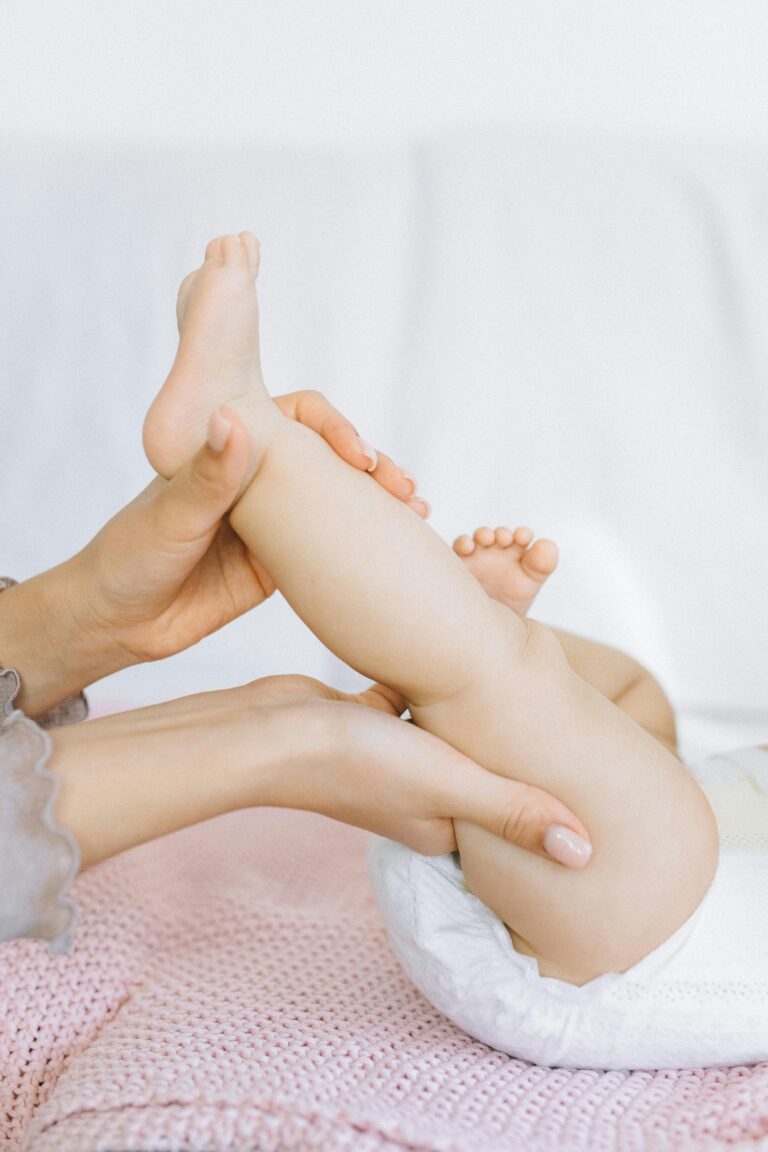
Many parents also love giving a gentle massage right after a warm bath because it relaxes the baby even more, and you can learn the best techniques and oils in my ultimate baby massage guide.
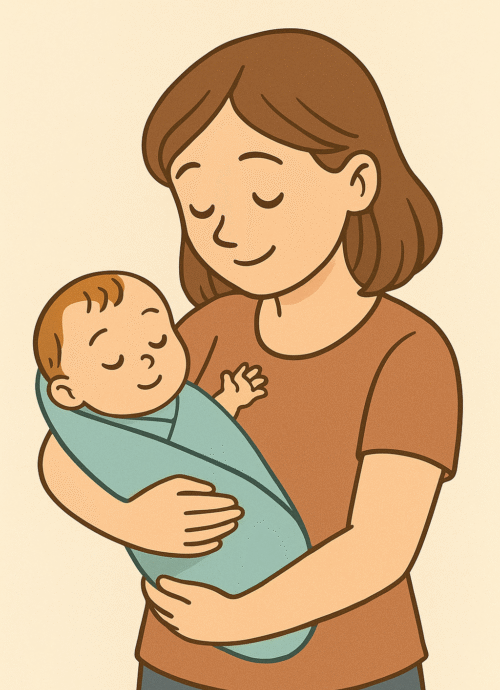
After a warm and safe baby bathing session, many parents find that swaddling helps keep their newborn calm and comfortable. Swaddling provides a sense of security and mimics the womb environment. You can read our detailed guide here: How to Swaddle Your Baby.
Bonding During Bath Time
Bathing is more than a routine; it is an opportunity for love and laughter. Mothers often find this the perfect time for gentle touch and soothing conversation beyond feeding and sleeping. Fathers and grandparents can also play an important role. Allowing other family members to bathe the baby occasionally builds trust, strengthens bonds, and gives everyone a chance to share in these joyful moments.
Making Bath Time Fun as Baby Grows
As your baby starts sitting, typically from 6 to 7 months onwards, bath time turns into playtime. Babies naturally love water, and letting them splash helps build motor skills and encourages exploration. You can introduce safe bath toys, cups, and floating objects to make the experience even more fun.
Tip: Always supervise play, even when your baby can sit, as accidents can happen quickly.
Safety Tips Every Parent Should Know
- Never leave your baby unattended, not even for a moment
- Avoid hot water, always test before placing your baby in
- Use a non slip mat in the tub for extra safety
- Skip bubble baths and strong soaps, as they can irritate sensitive skin
- Keep baths short and moisturize afterward to protect baby’s skin
Final Thoughts
Safe baby bathing may feel overwhelming at first, but it quickly becomes one of the most cherished routines of early parenthood. With a gentle touch, warm water, and a calm environment, you will find bath time transforms into a soothing ritual that strengthens your bond with your little one. As your baby grows, water play becomes a source of fun, laughter, and sensory discovery, something the whole family can enjoy together.

One Comment