Milestones in the First Year: What to Expect Month by Month
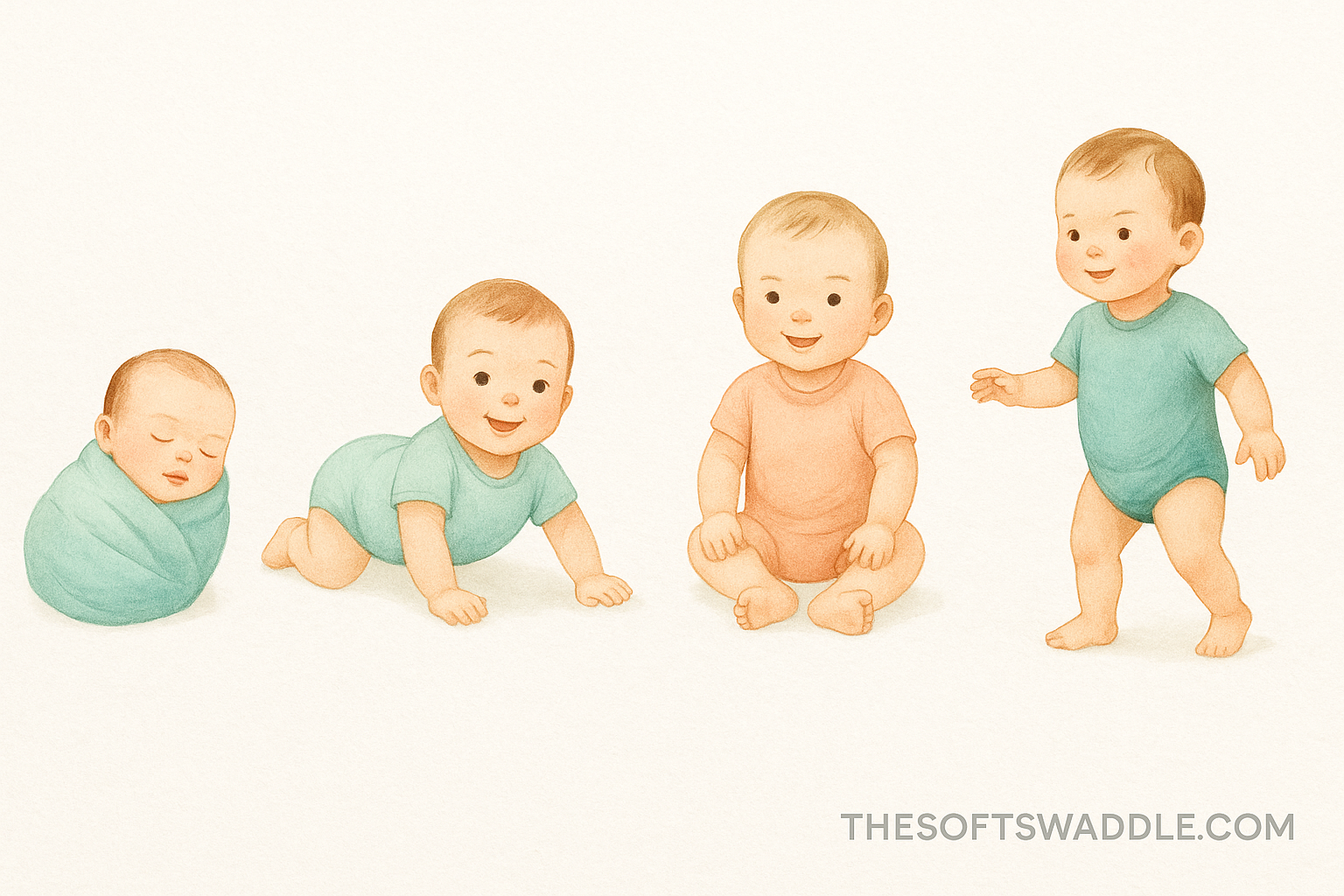
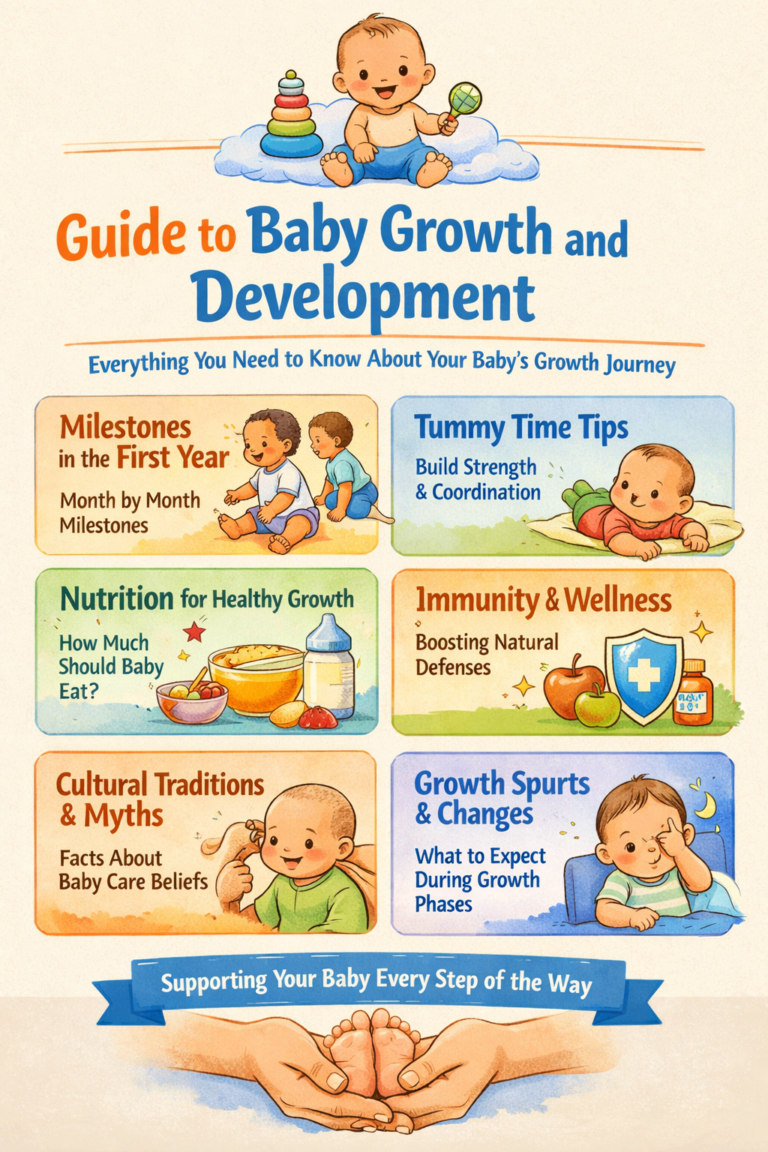
Milestones in the First Year are exciting for parents because each small change feels like a big celebration. From the very first smile to those wobbly first steps, your baby will grow and learn in ways that amaze you. While it is natural to compare your little one’s progress with others, it is important to remember that every baby is unique. Development timelines are guides, not strict rules, so if your baby takes a little longer in one area, it is usually nothing to worry about. Looking at milestones as part of overall baby growth and development helps parents understand progress without unnecessary pressure.
Why Baby Milestones Matter
Milestones are markers of growth that give you a sense of how your baby is developing physically, emotionally, and socially. They include things like rolling over, sitting up, babbling, or crawling. Tracking these changes helps you understand your child’s progress and can also alert you if any extra support is needed.
If you are interested in how sleep plays into development, you may like our article on newborn sleep and comfort, which explores how rest supports growth.
Milestones in the First Year: Month by Month Guide
Month 1: Getting Adjusted
In the first month, your newborn mostly sleeps and feeds. You may notice your baby briefly focusing on faces and responding to familiar voices. Crying is the main way they communicate, and every sound has meaning.
Month 2: First Social Smiles
Around the second month, many babies start smiling in response to people rather than just reflexes. They may follow objects with their eyes and begin cooing, which is the start of early communication.
Month 3: Growing Stronger
By three months, babies usually gain better head control and enjoy short tummy time sessions. Their hand movements become more purposeful, often trying to grasp toys or your finger.
Month 4: Discovering Sounds
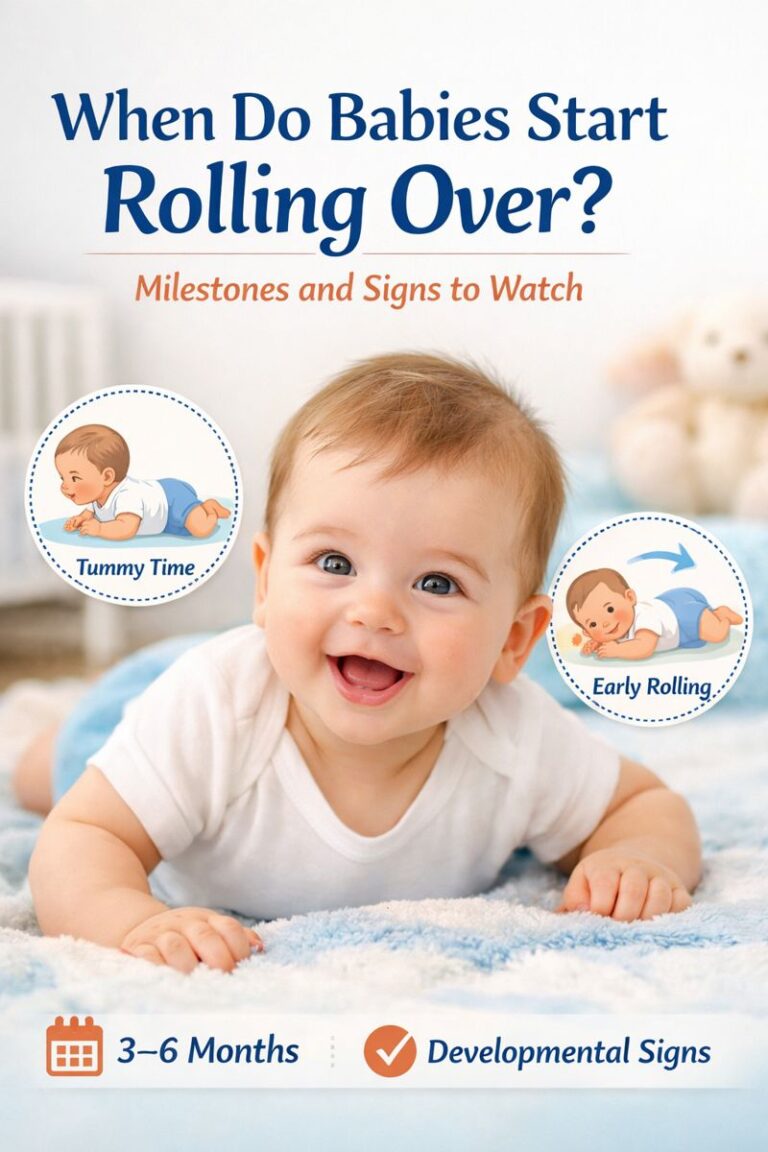
At four months, laughter and squeals become common. Babies may begin rolling from tummy to back. They also start showing more interest in their surroundings and can recognize familiar voices more clearly.
Month 5: Reaching Out
Around five months, babies may roll both ways and show more coordination in reaching for toys. They also begin to explore objects by putting them in their mouths, which is a normal part of learning.
Month 6: Sitting with Support
The sixth month often brings exciting changes. Babies may start sitting with support, transfer toys from one hand to another, and make new sounds like “ba” or “da.” Some may even begin early attempts at crawling.
Month 7: Exploring Independence
At seven months, babies may start sitting without support for short periods. They enjoy playing peek-a-boo and can recognize familiar faces from strangers. Many babies also begin experimenting with solid foods around this time.
Month 8: Crawling and Clapping
By eight months, crawling or scooting may begin. Some babies clap their hands, wave, or respond to their name. Their curiosity increases, and they may try to move toward objects that interest them.
Month 9: Standing with Support
Around nine months, babies may start pulling themselves up to stand. They often use furniture to balance and may cruise along it. Babbling becomes more expressive, sometimes sounding like real conversation.
Month 10: Developing Fine Motor Skills
At ten months, babies love exploring by pointing, dropping, and picking up objects. They may understand simple words like “no” or “bye.” Mobility becomes faster, whether through crawling or pulling to stand.
Month 11: Expressive Communication
Around eleven months, babies often show stronger personality traits. They may wave goodbye, imitate sounds, and show clear preferences for toys or people. Some start attempting their first steps with support.
Month 12: First Birthday and First Steps
By twelve months, many babies take their first independent steps, though some may do this earlier or later. Saying a few simple words, following easy instructions, and showing affection are also common milestones.
Every Baby is Different
It is important to remember that these milestones are average markers. Some babies may roll over at three months while others wait until five. Some may walk at nine months, while others wait until 15 months. All of this is normal. Instead of worrying about strict timelines, focus on providing love, stimulation, and safe opportunities for growth. If you ever have concerns about your baby’s development, your pediatrician can guide you.
To support growth naturally, check out our article on tips to boost your child’s immunity, which also plays a role in healthy development.
Tips to Support Your Baby’s Development
- Give plenty of tummy time to build strength.
- Talk, sing, and read to your baby daily to boost language skills.
- Encourage safe exploration by creating a baby-friendly space.
- Offer age-appropriate toys that engage senses and movement.
- Celebrate small wins and avoid comparing with other children.
Common Questions Parents Ask
1. What if my baby does not meet a milestone on time?
A little delay is usually fine. Every baby develops at their own pace, and some may focus on one skill before moving to another.
2. When should I talk to a doctor?
If your baby consistently misses multiple milestones or you notice regression in skills they previously had, check in with your pediatrician.
3. Can I speed up development by teaching my baby?
You cannot rush milestones, but you can encourage them by playing, talking, and giving your baby safe opportunities to practice skills.
Final Thoughts
Milestones in the First Year are wonderful reminders of how quickly babies grow. Each smile, sound, and step is a sign of progress, but no two babies will follow the exact same path. Celebrate your child’s unique journey and enjoy these precious first 12 months without pressure. Milestones do not exist in isolation and are best understood within the wider picture of physical, emotional, and cognitive baby growth and development over time.
6 Comments