The Complete Guide to Swaddling Your Baby: Comfort, Safety, and Tips for Every Parent
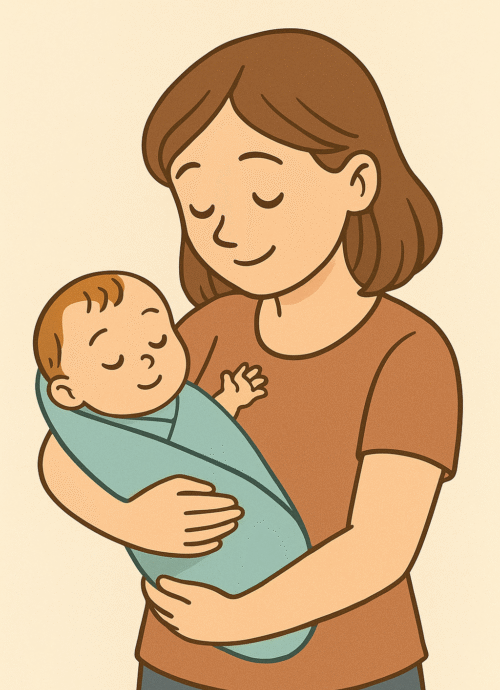
Introduction: Swaddling your baby
Swaddling is one of the oldest and most trusted practices for keeping newborns calm, cozy, and secure. It involves wrapping a baby snugly in a lightweight blanket, mimicking the safe, warm environment of the womb. While swaddling has evolved over centuries, it remains an essential tool for many parents when done correctly. This guide covers everything you need to know: what swaddling is, why it matters, how to do it safely, and when to stop
Swaddling is just one piece of the larger picture of baby sleep and comfort, which includes emotional security, safe sleep practices, and understanding your baby’s natural cues.
A Short History of Swaddling
Swaddling is not new. It has been practiced for thousands of years. Ancient civilizations like the Egyptians, Greeks, and Native Americans wrapped their babies to keep them warm and restrict sudden movements. In some cultures, swaddling was seen as a way to protect infants from harm and help them grow straight and strong. While techniques have changed, the core goal remains the same: comfort and security.
Why Swaddling Is Important
Swaddling offers several benefits when done safely:
Improved Sleep: Babies startle less, which means longer stretches of rest.
Comfort and Calm: The snug wrap reduces crying and soothes fussiness.
Temperature Regulation: Using the right fabric helps keep your baby warm without overheating.
Mimics the Womb: It recreates the secure environment your baby knew before birth.
Many parents also use a few minutes of skin to skin contact before swaddling because it helps babies feel calm and secure, and you can learn more in my guide on why skin to skin is important for babies.
When to Swaddle
Swaddling is best for newborns and young infants, typically from birth up to about eight weeks. Most babies outgrow swaddling by two to three months, especially as they begin rolling over. Once your baby shows signs of rolling, it is important to stop swaddling for safety reasons and switch to a sleep sack.
How to Swaddle Your Baby Step by Step
- Choose the Right Blanket: A light, breathable cotton or muslin blanket works best.
- Lay It Out: Spread the blanket on a flat surface in a diamond shape and fold down the top corner slightly.
- Position Your Baby: Place your baby on their back with the neck at the fold.
- Wrap the First Side: Pull one side of the blanket across your baby’s chest and tuck it snugly under their opposite arm and back.
- Fold the Bottom: Bring the bottom corner up over your baby’s feet.
- Wrap the Second Side: Pull the remaining side across your baby’s body and tuck it under their back.
Safety Tip: Always leave enough room for the hips and legs to move freely to prevent hip dysplasia. The wrap should be snug but not tight. You should be able to fit two fingers between the blanket and your baby’s chest.
Types of Swaddling Fabrics by Weather
Warm Weather: Use thin, breathable muslin or bamboo fabric.
Cool Weather: Use slightly thicker cotton or fleece, but ensure good ventilation to avoid overheating.
Layering Tip: If it is cold, dress your baby in a lightweight onesie before swaddling rather than adding heavy blankets
As seasons shift, your baby’s comfort needs change too, so you may find it helpful to read how to take care of kids when season changes to better understand how weather affects daily routines and comfort levels.
Signs Your Baby May Not Like Swaddling
Not all babies enjoy being swaddled, and that is okay. Look for:
- Persistent fussiness even after being wrapped
- Struggling or trying to break free
- Sweating or flushed skin which could be a sign of overheating
If your baby dislikes swaddling, try wrapping just one arm in, or switch to a sleep sack.
Troubleshooting Common Swaddling Problems
If your baby escapes the blanket, try a slightly larger swaddle or opt for a Velcro or zip-up design.
Overheating can be prevented by switching to lighter fabrics and avoiding extra blankets.
Frequent wake-ups may mean the wrap needs to be snugger while still allowing free hip movement.
When to Stop Swaddling
You should stop swaddling once your baby:
- Begins rolling over
- Breaks free from the wrap consistently
- Shows discomfort when wrapped
At this stage, transition to a wearable blanket or sleep sack.
Final Thoughts
Swaddling can be a wonderful way to help your baby sleep better and feel secure in the first few months of life. For a broader understanding of how sleep, comfort, and soothing techniques work together, our baby sleep and comfort guide brings everything into one place. Every baby is different. Some love it, while others may prefer more freedom. Pay attention to your baby’s cues, use breathable fabrics, and always place your baby on their back to sleep.
2 Comments