Smart Tips on How to Boost Child Immunity Naturally and Keep Kids Healthy
Introduction
How to boost child immunity naturally is one of the most common concerns parents have, especially in the early years of a child’s life. Babies and toddlers are still developing their immune systems, which means they can get sick more often than adults. While medication is important when truly needed, relying on it too often can weaken the body’s natural defense mechanisms. Instead, parents can focus on everyday habits that strengthen a child’s immunity from within, helping them fight off infections and stay healthy in the long run.
A strong immune system supports not just illness prevention but also healthy baby growth and development, allowing children to use their energy for learning, movement, and emotional progress.
Understanding Your Child’s Immune System
A child’s immune system is their body’s defense network against harmful germs and viruses. It includes white blood cells, antibodies, and protective barriers like the skin and mucous membranes. In the first few years, this system is still learning to identify and fight invaders. Exposure to mild illnesses like the common cold actually helps the immune system grow stronger. That is why a balanced approach to health is better than over-protecting or over-medicating.
As your child grows, their immune system becomes stronger alongside their developmental progress, and you can explore this in more detail in milestones in the first year to understand what changes to expect month by month.
1. Provide a Balanced, Nutrient-Rich Diet
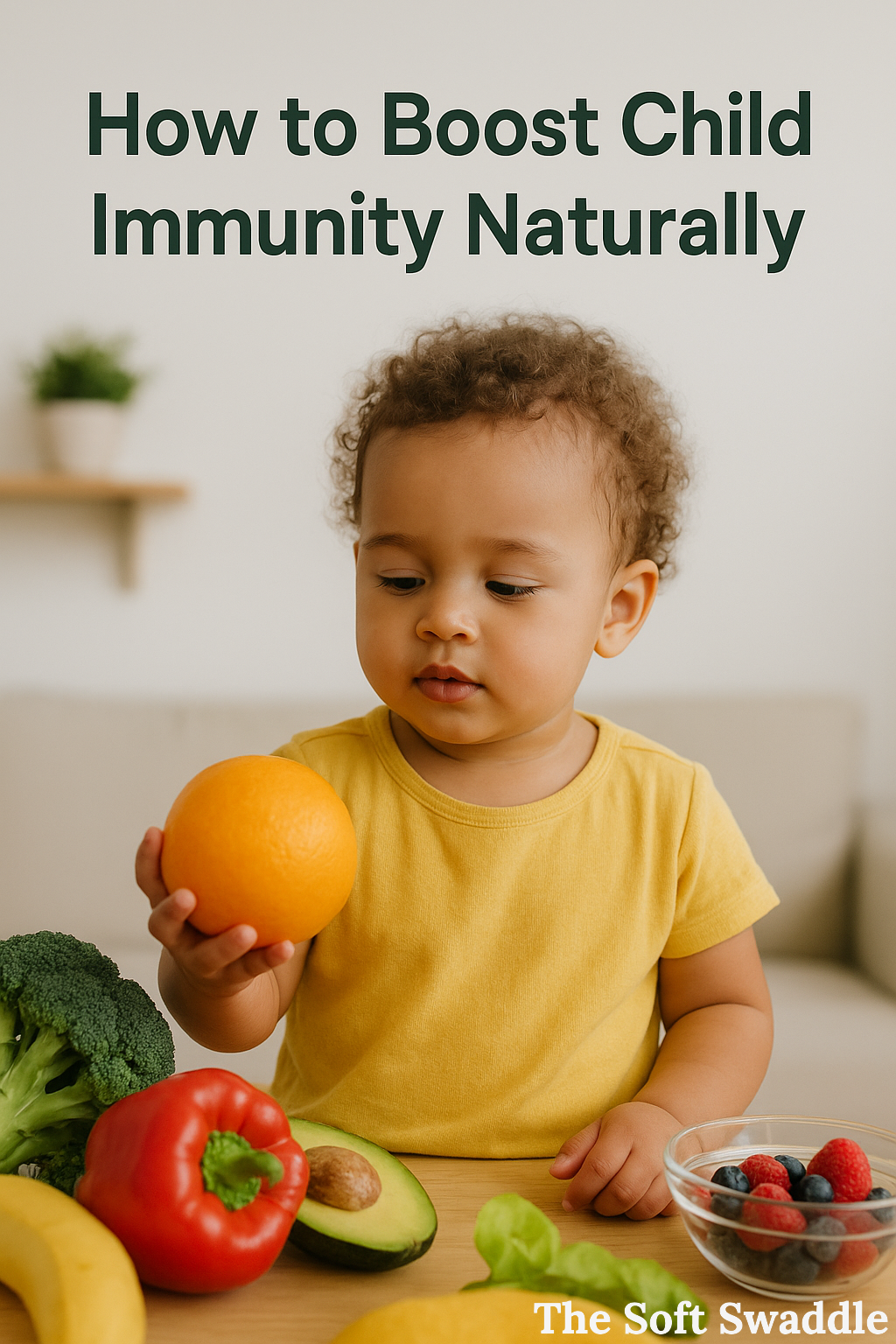
Nutrition is the foundation of a healthy immune system. Fresh fruits, vegetables, whole grains, and lean proteins provide the vitamins and minerals needed for immunity. Key nutrients include:
- Vitamin C from citrus fruits, guava, and papaya helps the body fight infections.
- Vitamin A from carrots, sweet potatoes, and spinach keeps the skin and mucous membranes strong.
- Zinc from lentils, nuts, and seeds supports the production of infection-fighting white blood cells.
- Probiotics from yogurt or homemade curd improve gut health, which is closely linked to immunity.
Avoid excessive sugary snacks and processed foods, as they can weaken immune responses. Instead, make healthy meals colorful and appealing so your child enjoys eating them.
2. Encourage Regular Physical Activity
Even toddlers benefit from regular movement. Physical activity increases blood circulation, which helps immune cells travel through the body more efficiently. This can be as simple as playing outdoors, running in the park, or dancing to music at home. Outdoor play also allows kids to get natural sunlight, which is important for Vitamin D production. Vitamin D is essential for immune health and helps reduce the risk of frequent colds and infections.
3. Ensure Adequate Sleep
Sleep is when the body repairs and strengthens itself, and this includes the immune system. Lack of sleep can lower the body’s ability to fight infections. The recommended sleep time varies with age:
- Infants: 14 to 17 hours a day (including naps)
- Toddlers: 11 to 14 hours a day
- Preschoolers: 10 to 13 hours a day
Create a calming bedtime routine with dim lighting, a warm bath, or a bedtime story to help your child relax and fall asleep easily.
4. Practice Good Hygiene Without Over-Sanitizing
Teaching your child basic hygiene, like washing hands before meals and after using the bathroom, is important. However, being too strict or using strong antibacterial products all the time can reduce exposure to everyday microbes that help build immunity. Regular soap and water are enough for most situations. Let your child play in the garden or sand occasionally as long as they wash up afterward. This natural exposure strengthens their immune system’s learning process.
Since seasonal changes often bring more colds and infections, you may find it helpful to read how to take care of kids when season changes to keep your child comfortable and healthy throughout the year.
5. Keep Vaccinations Up to Date
Vaccinations are one of the safest ways to protect your child from serious illnesses. They prepare the immune system to fight specific infections without causing the disease itself. Following your pediatrician’s vaccination schedule is important for long-term health. This does not mean overusing medicines, but rather preventing severe illnesses before they occur.
6. Support Emotional Well-Being
Stress is not just an adult problem. Even young children can feel stress from changes in routine, lack of attention, or a tense home environment. Chronic stress can lower immunity by affecting hormone balance. Give your child plenty of love, attention, and reassurance. Play together, encourage open conversations, and create a safe space for them to express feelings.
7. Breastfeeding in the Early Months
For newborns and infants, breastfeeding is one of the most effective ways to boost immunity naturally. Breast milk contains antibodies and nutrients that help the baby’s body fight infections and develop a strong immune system. If possible, exclusive breastfeeding for the first six months is recommended by health experts worldwide.
8. Limit Unnecessary Antibiotics and Medications
Antibiotics are helpful for bacterial infections but do nothing for viral illnesses like the common cold. Overusing antibiotics can harm gut bacteria, which play a big role in immunity. Always follow a doctor’s advice and avoid giving medicines unless truly needed. Trust that the immune system can handle minor illnesses like mild coughs, colds, or low-grade fevers with proper rest and care.
9. Encourage Social Interaction
Playing with other children exposes your child to different germs in a safe way, which helps the immune system adapt. Whether at playgroups, parks, or family gatherings, these interactions are valuable for both immunity and social skills. Just ensure basic hygiene and avoid direct contact with children who are visibly unwell.
How to Boost Child Immunity Naturally – A Lifestyle Approach
There is no single magic food or supplement that will make your child immune to illnesses forever. The best approach is a combination of good nutrition, regular exercise, adequate rest, healthy emotional support, and safe exposure to everyday environments. These habits build a strong foundation that will help your child fight infections more effectively throughout life.
Conclusion
A child’s immune system is like a muscle. The more it is exercised in healthy ways, the stronger it becomes. By focusing on natural methods to strengthen immunity instead of depending on medicines for every small illness, you help your child develop lifelong resilience. This approach not only keeps them healthier now but also sets them up for a stronger immune system as they grow. When immunity is supported naturally, it contributes to steady physical, cognitive, and emotional baby growth and development throughout early childhood.
4 Comments