The Ultimate Guide: How Much Should My Baby Eat for Healthy Growth
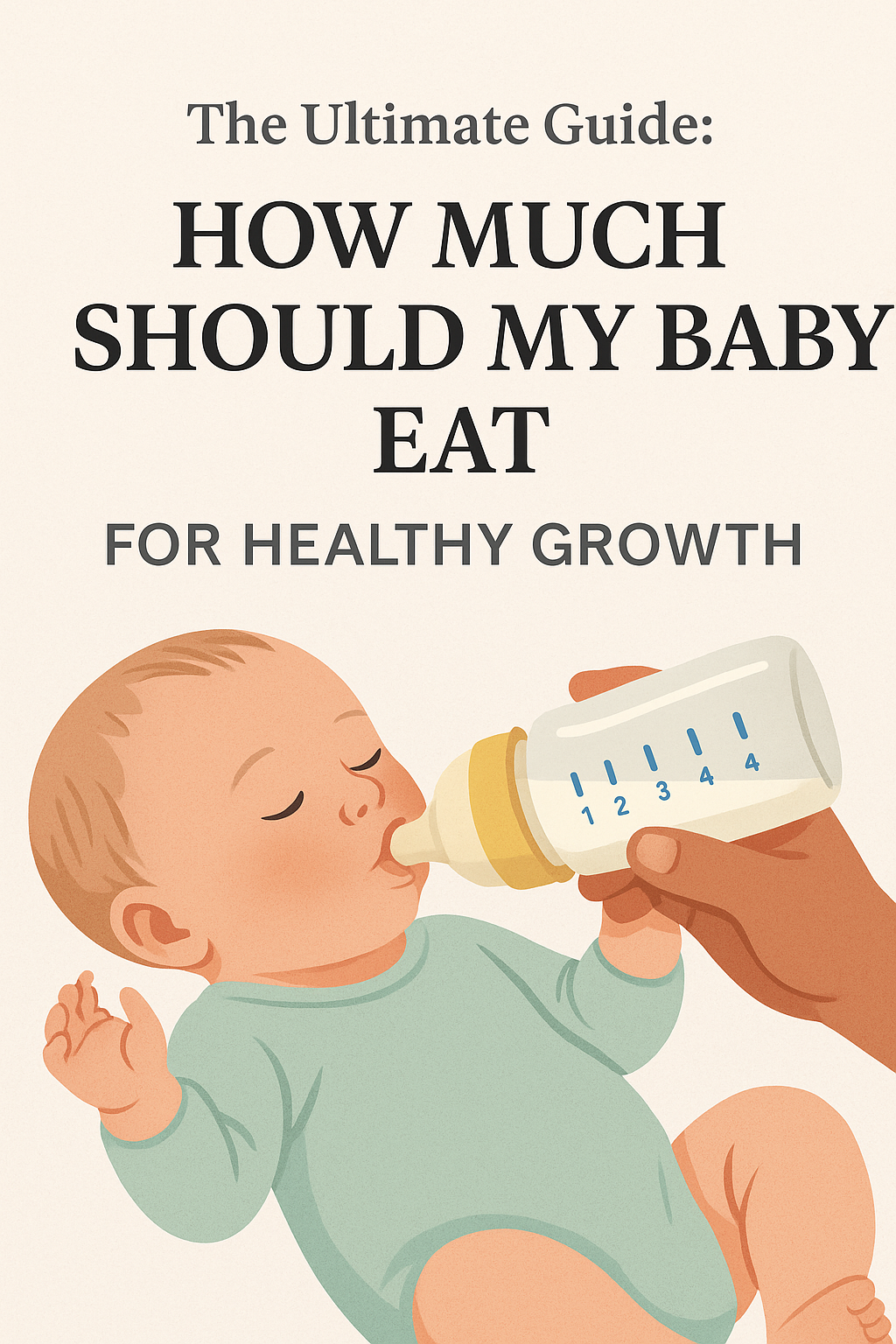
How much should my baby eat is one of the most common and important questions new parents ask during the early weeks of parenthood. Babies grow at a remarkable pace, and their tiny bodies need the right amount of nutrition to thrive. While every baby is unique, understanding hunger cues and establishing a gentle feeding schedule can make this journey much smoother for both parents and little ones.
Feeding plays a central role in baby growth and development, providing the energy and nutrients your baby needs to grow, move, and learn.
In this guide, we will explore how to read your baby’s signals, how much milk or formula they typically need at each stage, and how you can create a rhythm that supports their growth without stress.
Why Understanding Feeding Needs Matters
Feeding is not only about nutrition but also about comfort, bonding, and establishing trust between you and your baby. When you can recognize whether your baby is truly hungry or simply tired or overstimulated, you reduce unnecessary fussiness and help your child feel secure.
Many parents worry that they are not giving enough or that they are overfeeding. Knowing the basics of newborn nutrition along with your baby’s personal cues will help put your mind at ease.
Hunger Cues You Should Never Ignore
Babies rarely come with instructions, but they do send signals to let you know when they are ready to eat. Recognizing these cues early helps you respond before your baby becomes too upset.
Common hunger cues include:
- Moving their head side to side as if searching
- Rooting, which is turning toward your hand or breast when touched on the cheek
- Sucking on fingers, fists, or clothing
- Smacking or licking lips
- Becoming more alert or active
Crying is often a late hunger cue. If you wait until then, your baby may be too distressed to feed calmly. Responding earlier makes feeding smoother for both of you. If your baby seems upset even after a good feed, it may not always be hunger. Learn about the real reasons behind newborn fussiness and calming tips that work.
How Much Should My Baby Eat: Stage by Stage
Although no two babies are the same, there are general guidelines that can help you understand what to expect.
Newborn to 2 Weeks
In the first days, your baby’s stomach is very small, so they need frequent but small feeds. Most newborns take about 30 to 60 ml (1 to 2 ounces) of formula every 2 to 3 hours. If breastfeeding, they may nurse for 10 to 20 minutes per session, usually every 2 hours.
2 Weeks to 2 Months
Your baby’s appetite grows quickly. Formula-fed babies may take 60 to 120 ml (2 to 4 ounces) every 3 to 4 hours. Breastfed babies usually feed 8 to 12 times per day.
2 to 4 Months
At this stage, babies typically consume 120 to 150 ml (4 to 5 ounces) per feeding every 4 hours. Nighttime stretches may begin to lengthen.
4 to 6 Months
Most babies take 150 to 210 ml (5 to 7 ounces) every 4 to 5 hours. Some may still wake once at night, while others may sleep longer stretches.
6 to 12 Months
Solid foods begin to supplement breast milk or formula around 6 months, but milk remains the main source of nutrition. Babies usually take 180 to 240 ml (6 to 8 ounces) 4 to 5 times a day, alongside small servings of soft foods.
Remember, these are averages. Your baby may need slightly more or less depending on growth patterns, metabolism, and activity levels.
Feeding Schedules vs. Feeding on Demand
Parents often wonder if they should feed on demand or stick to a fixed schedule. The truth is that babies thrive on a balance of both approaches.
Feeding on demand means offering milk whenever your baby shows hunger cues. This is especially important in the newborn phase since it helps establish your milk supply and ensures your baby gets enough nourishment.
As babies grow, you can begin to shape a gentle feeding schedule. For example, by 3 to 4 months many babies naturally settle into a predictable rhythm of feeds spaced every 3 to 4 hours. A schedule helps you anticipate hunger and makes daily life more organized without ignoring your baby’s signals. Since feeding and sleeping often go hand in hand, establishing a simple newborn sleep routine can support more predictable feeding times too.
Signs Your Baby Is Getting Enough
Even if your baby eats less or more than the “average,” what truly matters is whether they are thriving. Consistent feeding that supports weight gain, energy levels, and alertness is one of the strongest indicators of healthy baby growth and development over time. Here are reliable signs that your baby is feeding well:
- Steady weight gain as checked by your pediatrician
- At least 6 wet diapers a day by the end of the first week
- Regular bowel movements depending on age and diet
- Alertness and contentment after feeding
- Healthy skin tone and muscle activity
If you are concerned about slow weight gain, constant fussiness after feeding, or very few wet diapers, consult your doctor for guidance.
Tips for Stress-Free Feeding
- Trust your instincts: No chart knows your baby better than you do.
- Watch the baby, not the clock: While schedules help, hunger cues should guide you.
- Burp often: Babies swallow air during feeding, which can make them fussy if not released.
- Comfort counts: Hold your baby close, maintain eye contact, and make feeding a bonding moment rather than a rushed task.
- Be patient with changes: Growth spurts, teething, and illness can temporarily alter feeding patterns.
Common Feeding Challenges and Solutions
- Frequent spitting up: This may be normal, but if excessive, try keeping your baby upright after feeds and consult a pediatrician for possible reflux.
- Cluster feeding: Babies sometimes feed more often for a few days during growth spurts. This is temporary and helps boost your milk supply if breastfeeding.
- Refusing the bottle or breast: Try different positions, ensure the milk temperature is comfortable, and eliminate distractions.
When to Seek Medical Advice
Call your pediatrician if you notice:
- Very poor weight gain or sudden weight loss
- Persistent vomiting after feeds
- Refusal to eat for several hours in a newborn
- Unusual lethargy or weakness
- Fewer than 4 wet diapers in 24 hours after the first week
Early intervention ensures your baby continues to grow safely and happily.
Final Thoughts
So, how much should my baby eat? The honest answer is that it depends on your baby’s age, growth needs, and individual rhythm. General guidelines are useful, but your baby’s cues are the best guide. By watching for signs of hunger and fullness, offering milk or formula as needed, and gradually shaping a feeding schedule, you create a strong foundation for healthy growth and a happier baby.
Parenthood is full of learning moments, and feeding is one of the most beautiful ways to bond. Trust your instincts, lean on reliable guidance, and remember that each baby finds their own perfect pattern in time.
One Comment