Hand to Mouth Disease in Children: Causes, Symptoms, Treatment, and Seasonal Risks
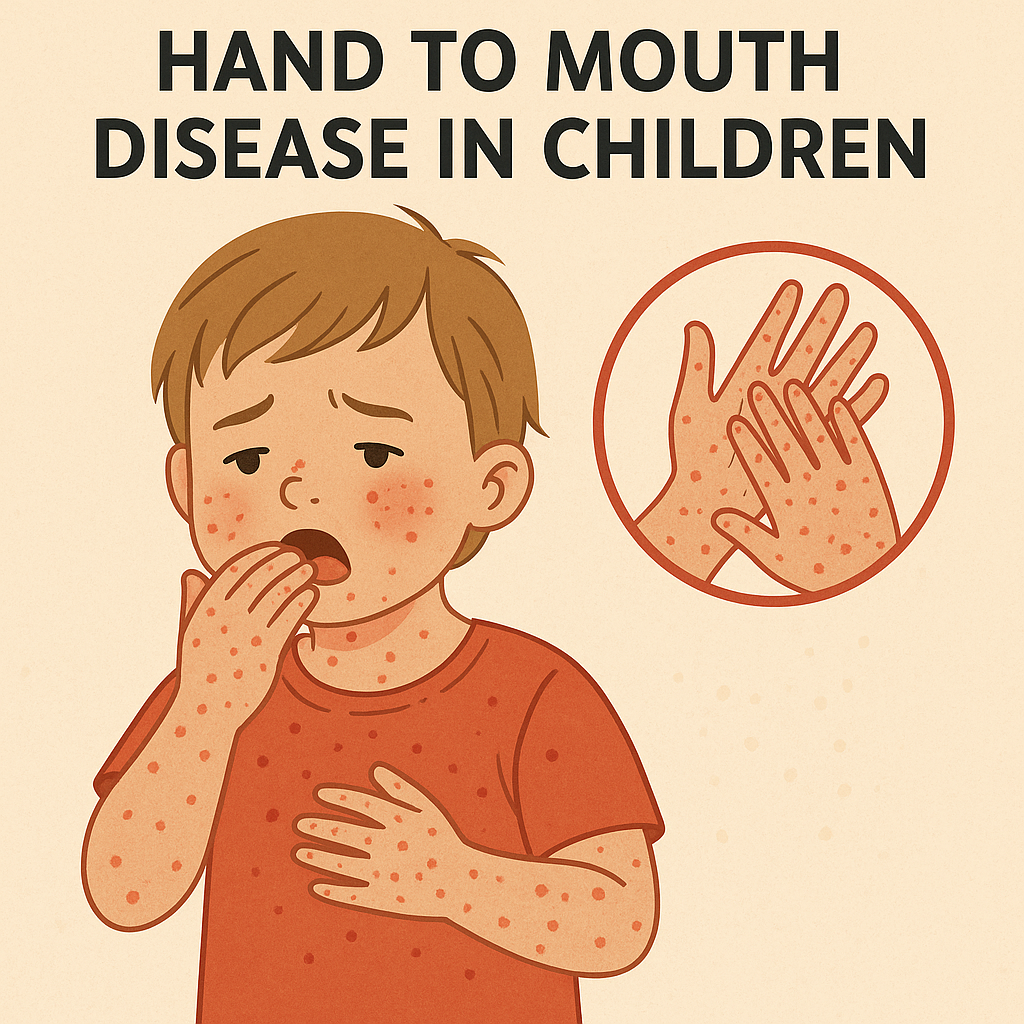
Hand to mouth disease is one of the most common viral infections that affect young children, especially those under the age of ten. Parents often get worried when their child suddenly develops rashes, mouth sores, or refuses to eat due to discomfort. This article will explain what the disease is, what causes it, how to recognize the symptoms, the treatment methods available, and during which season it spreads most.
What is Hand to Mouth Disease
Hand to mouth disease, also known as hand foot and mouth disease (HFMD), is a viral illness that mostly targets children, although adults can also get it. The condition is usually mild but can cause considerable distress to the child and parents because of painful sores in the mouth and itchy rashes on the hands and feet. The infection spreads quickly among children in schools, daycare centers, and play areas because of close contact and shared objects.
The disease is not the same as foot and mouth disease found in animals, which often creates confusion among parents. Human hand to mouth disease is caused by viruses belonging to the enterovirus family, most commonly the coxsackievirus.
Causes of Hand to Mouth Disease
The primary cause of hand to mouth disease is infection by the coxsackievirus A16 and enterovirus 71. These viruses live in the human digestive and respiratory systems and spread from person to person. The most common modes of transmission include:
- Direct contact with saliva, nasal mucus, or fluid from blisters of an infected person
- Touching surfaces, toys, or utensils contaminated with the virus
- Contact with stool during diaper changes or improper handwashing
- Droplets from coughing or sneezing that carry the virus
Because young children are less careful with hygiene and often put their hands or toys in their mouths, they are more vulnerable to catching this infection.
Symptoms of Hand to Mouth Disease
Parents should be aware of the signs so that they can take timely action. The most noticeable symptoms are:
- Fever that usually starts suddenly
- Sore throat and difficulty swallowing
- Painful red spots inside the mouth, especially on the tongue, gums, and inner cheeks
- Small red rashes or blisters on the palms of the hands, soles of the feet, and sometimes on the buttocks
- Loss of appetite due to mouth pain
- Irritability and tiredness
In most cases, the illness lasts between seven to ten days. The severity of symptoms can vary from mild discomfort to severe mouth ulcers that prevent a child from eating or drinking properly.
Treatment and Cure for Hand to Mouth Disease
There is no specific medicine that directly kills the virus that causes hand to mouth disease. However, treatment focuses on managing the symptoms and keeping the child comfortable until the body’s immune system clears the infection. Some recommended measures include:
- Giving plenty of fluids to prevent dehydration. Cold water, milk, and fruit juices are soothing choices. Avoid acidic drinks like orange juice as they can increase mouth pain.
- Offering soft foods such as yogurt, mashed potatoes, and porridge that are easy to swallow.
- Using over the counter medicines like acetaminophen or ibuprofen to reduce fever and pain, after consulting a pediatrician.
- Applying soothing gels or sprays recommended by a doctor to reduce mouth pain.
- Encouraging rest so the body can fight the infection effectively.
Most children recover on their own without complications. Antibiotics are not effective since the disease is caused by a virus, not bacteria. In very rare cases, complications like viral meningitis or encephalitis may occur, especially with certain strains such as enterovirus 71. Parents should seek medical help immediately if the child shows severe headache, stiffness of the neck, continuous vomiting, or difficulty breathing.
Preventing the Spread of Hand to Mouth Disease
Since the infection spreads rapidly in community settings, prevention is just as important as treatment. Simple hygiene measures can lower the risk:
- Washing hands with soap and water frequently, especially after using the toilet or changing diapers
- Teaching children not to share utensils, water bottles, or towels
- Cleaning and disinfecting toys and commonly touched surfaces
- Keeping an infected child at home until the fever and blisters disappear to avoid spreading the virus to others
Along with hygiene, building a stronger immune system also plays an important role in protection. Parents may find helpful tips in our guide on Smart Tips to Boost Child Immunity Naturally and Keep Kids Healthy.
What Season Does Hand to Mouth Disease Happen Most
Hand to mouth disease can occur throughout the year but is most common during the monsoon and early autumn months. In many Asian countries including India, outbreaks are frequently reported during the rainy season when humidity is high and viral infections spread faster. In temperate climates, the disease often peaks in summer and early fall.
This seasonal pattern happens because viruses survive longer in warm and moist environments. Children also tend to spend more time indoors in close contact during these months, which makes transmission easier. Parents should be extra cautious during these seasons and pay attention to hygiene practices.
When to See a Doctor
While most cases are mild, parents should consult a doctor if the child:
- Has persistent high fever above 102°F
- Refuses to eat or drink due to mouth pain
- Shows signs of dehydration such as dry mouth, crying without tears, or reduced urination
- Has rashes spreading beyond the typical areas
- Experiences unusual drowsiness or irritability
If irritability and crying become difficult to manage, parents can also read Why Newborns Fuss: Real Reasons and Calming Tips That Actually Work for additional strategies to soothe their child.
Conclusion
Hand to mouth disease in children is a common viral illness that spreads easily but usually resolves within a week with proper care. The condition is caused mainly by the coxsackievirus and spreads through saliva, mucus, and contaminated objects. While the symptoms of fever, rashes, and painful mouth ulcers may alarm parents, the disease is generally mild and treatable at home with fluids, rest, and pain relief medicines.
Being aware of the seasonal risk, especially during monsoon and early autumn, helps parents remain alert. Good hygiene practices such as frequent handwashing, avoiding sharing of personal items, and disinfecting toys are the most effective preventive measures. With proper management and care, children can recover quickly and return to their normal activities without long term effects.

One Comment