Diapering Mistakes New Parents Often Make — And How to Avoid Them for a Happy Baby
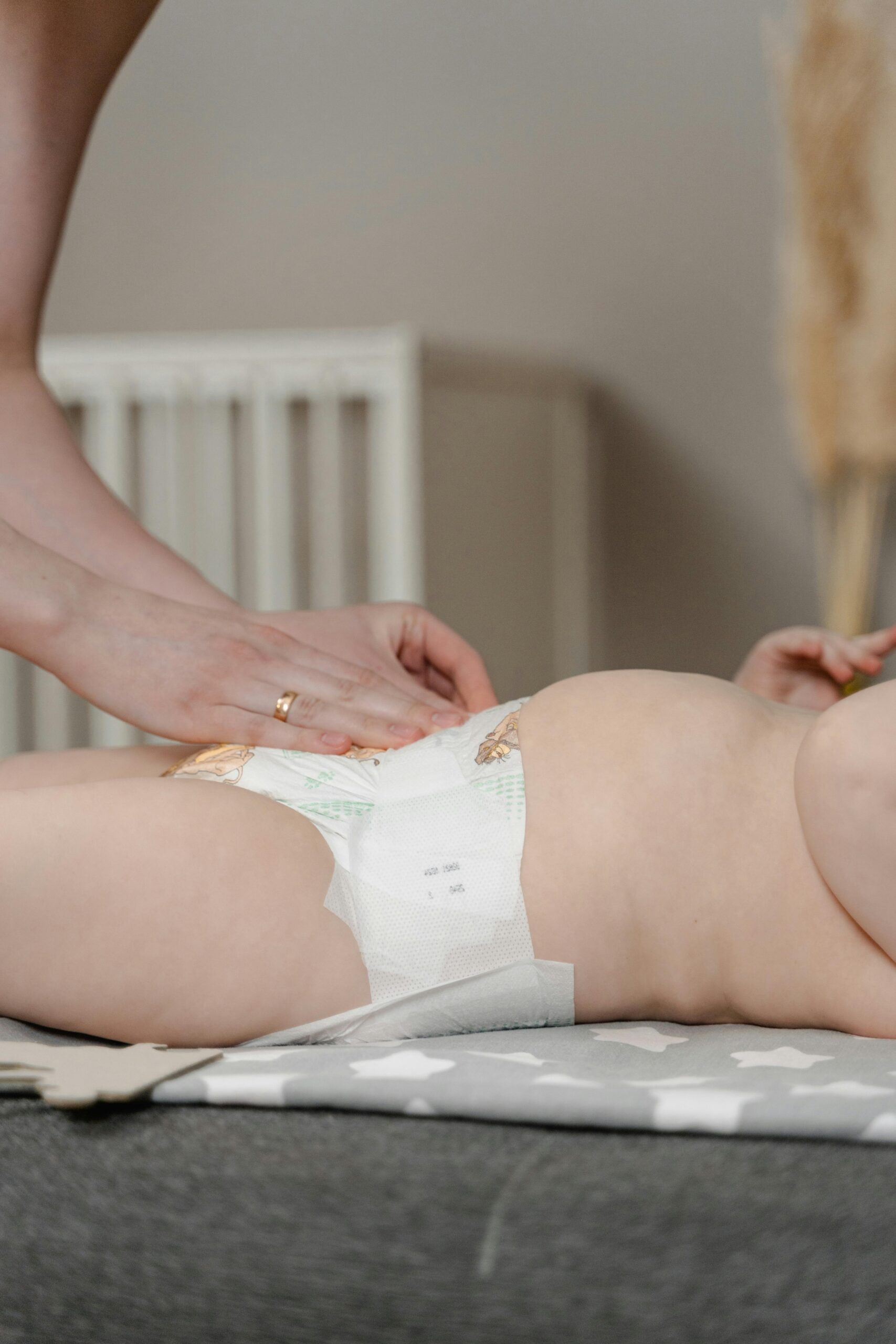
Diapering mistakes new parents often make can lead to discomfort, rashes, and sleepless nights for the baby. While diapering may look simple, it is one of the most frequent tasks in the first year of a child’s life and small errors can make a big difference. Knowing how to avoid these common mistakes can keep your baby comfortable and give you more peace of mind.
Why Diapering Matters More Than You Think
A newborn spends most of their early days either feeding or sleeping, and in between comes frequent diaper changes. On average, parents may change between 8 to 12 diapers a day during the first few months. Each change is not only about hygiene but also about comfort, bonding, and preventing future issues like rashes or infections.
Many parents underestimate the importance of proper diapering, especially in the rush of adjusting to newborn life. Let us look at the most common diapering mistakes new parents make and how to avoid them.
Using the Wrong Diaper Size
One of the first mistakes parents make is choosing the wrong size. A diaper that is too small can cause redness, chafing, and even restrict movement. A diaper that is too large may leak and cause extra mess.
Tip: Always check the weight guidelines on diaper packs but also pay attention to your baby’s comfort. If you notice marks around the waist or thighs, it is time to size up.
Not Changing Diapers Frequently Enough
Babies cannot tell you they need a change, and many parents wait too long between changes. Prolonged exposure to wetness can cause rashes, irritation, and infections.
Tip: Newborns may need a diaper change every 2 to 3 hours or immediately after a bowel movement. For older babies, it depends on their feeding and sleeping patterns, but never leave a wet diaper for more than 4 hours during the day.
Overusing Baby Wipes
Wipes are convenient, but frequent use can sometimes irritate delicate newborn skin. Some wipes contain fragrances or chemicals that may cause dryness or rash.
Tip: For newborns, warm water and a soft cotton cloth are often enough. If you use wipes, choose fragrance-free and alcohol-free options. Pat the area dry after cleaning instead of rubbing.
Not Cleaning Properly During Changes
Parents sometimes clean quickly during a change, especially when tired. However, incomplete cleaning can cause discomfort and infections.
Tip: For baby girls, always clean from front to back to avoid infections. For baby boys, clean thoroughly around folds and the base. Always dry the skin before putting on a fresh diaper.
Forgetting to Apply Barrier Creams
Many parents skip barrier creams, thinking they are not necessary unless there is a rash. However, preventive use of a thin layer of diaper cream helps protect the skin from wetness and reduces the chances of rashes.
Tip: Apply a light layer of a baby-safe cream or ointment during bedtime or when you expect longer gaps between changes.
Making Diapers Too Tight or Too Loose
Strapping diapers too tight may leave marks and make your baby uncomfortable. A loose diaper can leak and soil clothes or bedding.
Tip: The diaper should fit snugly but allow you to slip two fingers inside the waistband. Check both the waist and leg openings before finishing a change.
Ignoring Nighttime Diaper Needs
Many parents avoid changing at night to keep the baby asleep. While this works sometimes, a heavily soiled diaper at night can lead to rashes and interrupted sleep later. For better sleep routines, you may also check our guide on newborn sleep tips.
Tip: Use overnight diapers or slightly larger sizes at night, but do not skip changes if the diaper is too wet or dirty. A quick, calm change under dim light keeps the baby comfortable without disturbing their sleep cycle too much.
Using Too Many Diapering Products
Baby powder, scented wipes, multiple creams, and antibacterial sprays are not necessary. Overusing products can upset the natural skin balance and even cause allergic reactions.
Tip: Keep diapering simple. A clean diaper, gentle cleaning, and a light protective cream are usually enough.
Not Letting the Skin Breathe
Keeping the baby in diapers 24/7 is a mistake many new parents make. Constant coverage does not allow the skin to breathe and can cause persistent rashes.
Tip: Allow diaper-free time every day. Lay your baby on a clean towel or waterproof sheet and let them kick freely for 10 to 15 minutes. This helps keep the skin dry and healthy.
Overlooking Seasonal Adjustments
Diapering needs change with the weather. In hot and humid conditions, babies sweat more and may need extra changes to prevent rashes. In winter, heavy clothing can trap heat and increase the risk of irritation if diapers are not changed often.
Tip: In summer, choose lightweight diapers and allow more diaper-free time. In winter, check for hidden wetness under layers of clothing and change frequently. For a complete guide on keeping your child comfortable through different weather conditions, you can read how to take care of kids when season changes.
Forgetting the Importance of Proper Disposal
Another mistake is ignoring hygiene while disposing of used diapers. Leaving them open in the room can spread odors and germs.
Tip: Wrap used diapers tightly before disposal. Use a covered bin and empty it daily to keep the room fresh and hygienic.
Conclusion
Diapering mistakes new parents often make usually come from inexperience or the exhaustion of caring for a newborn. By paying attention to the basics, choosing the right size, changing frequently, cleaning gently, using creams when needed, and giving the skin time to breathe, you can make diapering stress free for yourself and comfortable for your baby. Small adjustments in daily routines lead to a big difference in your baby’s comfort, health, and happiness.
3 Comments