The Ultimate Baby Nap Schedule by Age Guide for Stress Free Days
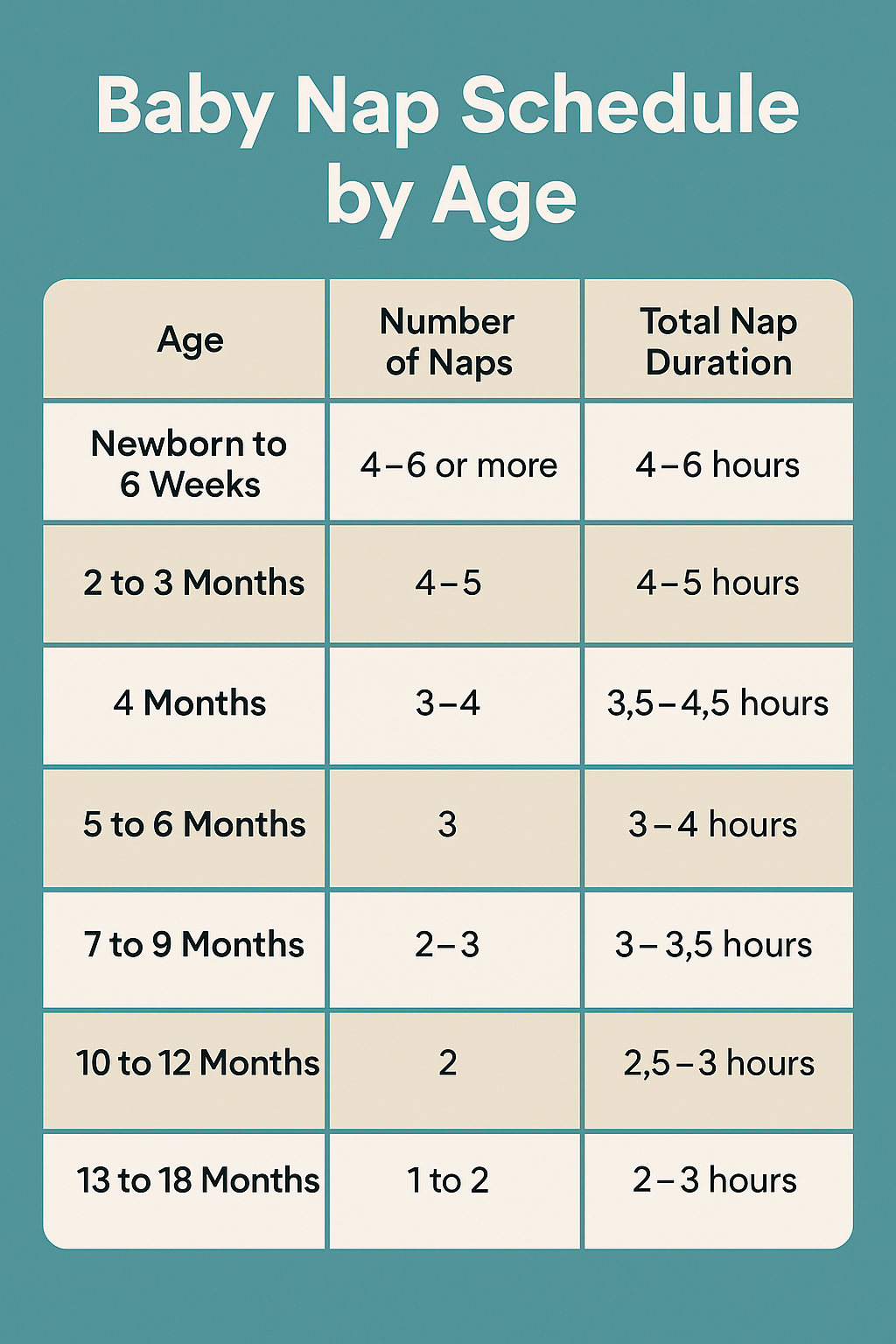
Baby Nap Schedule by Age is something every new parent eventually looks for because sleep patterns in babies change very quickly during the first two years. What works at three months may not work at seven months and what feels normal at one year can suddenly shift again. Understanding the natural rhythm of baby sleep can reduce stress for parents and help your little one rest better. Looking at naps within the wider context of baby sleep and comfort helps parents make decisions that feel supportive rather than stressful. This guide will walk you through nap needs at each stage, how naps evolve, signs of overtiredness, and simple routines that work in real homes.
Why Nap Schedules Matter
Naps are not only small breaks in the day. They support healthy brain development, emotional balance, and physical growth. Babies who nap well tend to sleep better at night, feed more calmly, and handle stimulation more easily. A proper schedule also helps parents plan their day with more confidence.
A well-structured nap routine reduces crying spells, prevents overtired evenings, and supports predictable bedtime patterns. The goal is not perfection but understanding your baby a little more each week.
How Baby Sleep Naturally Develops
Newborns have tiny stomachs and immature sleep cycles. They wake often and sleep in shorter stretches. As their nervous system matures, their sleep becomes more organised. Day and night patterns become clearer. Wake windows become longer and naps fall into more predictable blocks.
Every baby is different, but most children move through similar sleep milestones. The key is to follow age guidelines while still watching your child’s unique signs.
Baby Nap Schedule by Age Explained
Below is a month by month breakdown with realistic timing. These are guidelines and not rigid rules. Some babies need thirty minutes more or less, and some go through phases where naps shift suddenly. Use this as a reference and adapt it to your baby’s cues.
Newborn to 6 Weeks
Naps per day: 4 to 6 or more
Total daytime sleep: 4 to 6 hours
Wake window: 45 minutes or less
Typical nap length: 20 minutes to 2 hours
At this stage babies sleep around the clock. There is no consistent pattern yet and that is completely normal. Feedings are frequent and sleep is scattered across the day. The best approach is to respond flexibly and allow the baby to nap as needed. Offer naps when the baby shows early sleep cues like slowing down movement, staring into space or fussing lightly. This is also the stage when contact naps are very common and normal.
If you want to understand why newborn sleep patterns vary so much, you can read my detailed guide on why every newborn sleeps differently and what you can do.
2 to 3 Months
Naps per day: 4 to 5
Total daytime sleep: 4 to 5 hours
Wake window: 60 to 90 minutes
Babies at this age start staying awake a little longer. You may begin to notice a morning nap and an afternoon nap forming naturally. Naps can still be unpredictable but feeding and sleep patterns slowly settle. Try to start the first nap within ninety minutes of waking for the best results.
4 Months
Naps per day: 3 to 4
Total daytime sleep: 3.5 to 4.5 hours
Wake window: 75 to 120 minutes
This is when the well-known four-month sleep regression can appear. Babies shift to more adult like sleep cycles which means they start waking between sleep stages. Naps may shorten suddenly. The key is to focus on consistent wake windows and a calming nap routine. The first nap of the day is usually the most reliable so keep it well timed.
5 to 6 Months
Naps per day: 3
Total daytime sleep: 3 to 4 hours
Wake window: 2 to 2.5 hours
Most babies settle into a predictable three nap schedule. Morning and midday naps are longer while the last nap is a short bridging nap that helps avoid evening overtiredness. At this age babies respond well to dim lights, a short soothing routine, and a quiet sleep environment.
7 to 9 Months
Naps per day: 2 to 3
Total daytime sleep: 3 to 3.5 hours
Wake window: 2.5 to 3 hours
The third nap slowly fades. Some babies still need it until nine months while others drop it earlier. The two-nap schedule normally includes a long morning nap and a long afternoon nap. Bedtime becomes more predictable. Babies may resist naps due to increased curiosity and new motor skills like crawling or pulling up. Continue offering naps at the same time each day.
10 to 12 Months
Naps per day: 2
Total daytime sleep: 2.5 to 3 hours
Wake window: 3 to 4 hours
Most babies follow a stable two nap schedule. Separation anxiety may affect nap time. Staying close during the pre-nap routine, reading a short book, or singing the same lullaby gives a sense of security. Try to avoid skipping either nap because it can lead to restless nights.
13 to 18 Months
Naps per day: 1 to 2
Total daytime sleep: 2 to 3 hours
Wake window: 4 to 5 hours
The transition to one nap often happens between fourteen and eighteen months. This shift can be slow. Some days your child may need two naps and on other days just one. During this phase aim for a midday nap beginning around twelve thirty or one in the afternoon.
19 to 24 Months
Naps per day: 1
Total daytime sleep: 2 to 3 hours
Wake window: 5 to 6 hours
Toddlers take one long nap in the early afternoon. Some days may be harder due to teething or bursts of independence. A steady routine helps tremendously during this age. Offer quiet time before nap so the child can relax and unwind.
Signs Your Baby Needs a Nap
Watching your baby’s cues is one of the most powerful tools for better naps. These cues are closely connected to overall baby sleep and comfort, helping parents respond before tiredness turns into distress. Even with a solid Baby Nap Schedule by Age, your child will show personal signals that tell you exactly when they are ready.
Look for
• Rubbing eyes
• Yawning
• Pulling ears
• Staring blankly
• Sudden fussiness
• Ignoring toys
• Becoming clingy
• Slow or jerky movements
If you catch these early signs, naps become smoother and quicker.
Creating a Consistent Nap Routine
A few simple habits can make naps easier at every age.
1. Set a predictable nap environment
Use a quiet room with soft light. A fan or white noise machine helps block sudden sounds.
2. Add a short calming ritual
This can include washing hands and face, singing a gentle lullaby, closing curtains, and placing the baby in the sleeping area while drowsy but awake.
3. Follow the same timing each day
Babies thrive on rhythm. While flexibility is important, timing naps within a thirty minute window creates stability.
4. Encourage independent settling
Start slowly. Put the baby down when slightly sleepy. Offer comfort through touch or your voice. Over time they learn to settle gradually.
5. Protect the first nap
The first nap sets the tone for the whole day. Prioritise this nap at home whenever possible.
Common Nap Problems and Simple Solutions
Short naps
Thirty minute naps are common. Try stretching the wake window a little or darkening the room. If teething or growth spurts are happening, naps may be lighter for a few days.
Fighting naps
Often caused by too long or too short wake windows. Adjust timing and observe cues.
Early morning waking
Try shifting bedtime earlier. Many parents think a late bedtime helps but it often leads to overtired mornings.
Transition periods
When babies shift from three naps to two or two to one, sleep becomes messy for a few weeks. Follow the general schedule but allow flexibility. Many nap disruptions happen because babies are hitting new physical or emotional milestones. You can explore these changes in my month-by-month milestone guide.
When to Adjust the Schedule
Your baby will let you know it is time to shift the schedule. Look for
• Taking a long time to fall asleep for naps
• Reduced nap length
• Regularly skipping a nap
• Early morning wake ups
• Increased fussiness in the evening
If these signs appear for more than a week, consider extending wake windows or moving toward the next nap stage.
Final Thoughts
Understanding Baby Nap Schedule by Age allows you to support your baby with confidence rather than guesswork. Every child has a natural rhythm and your job is to gently guide it without forcing rigid rules. Babies grow rapidly and nap patterns evolve through each developmental leap. If your baby occasionally has an off day, it is completely normal. What matters is the overall pattern through the week.
By following age aligned guidelines, watching your baby’s cues, and maintaining predictable routines, you can create a peaceful daytime rhythm that benefits both you and your little one. A well rested baby is more curious, happier, and ready to learn new skills every day.