Potty Training and Pee Training: When to Start and What to Expect
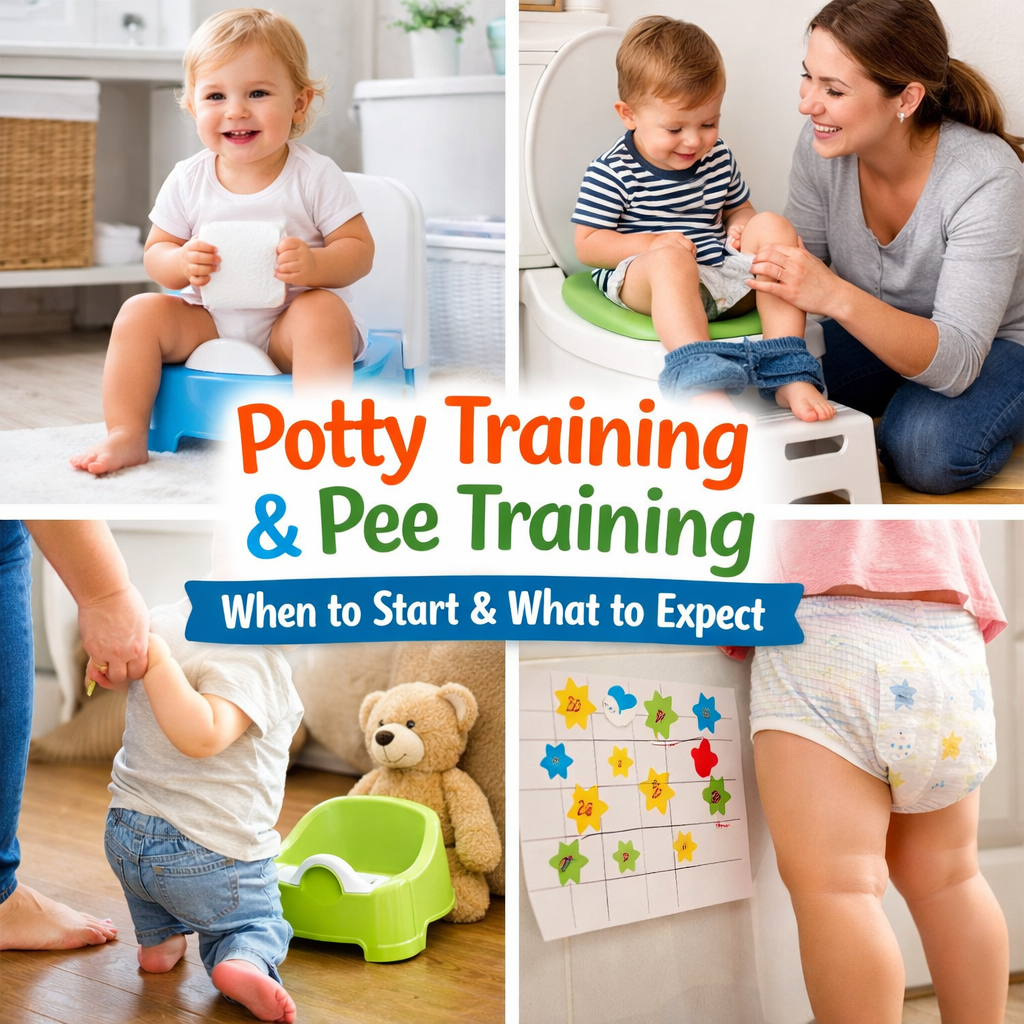
Potty training and pee training is one of the biggest milestones in your child’s early years, and also one of the most confusing for parents. When should you start? How long will it take? What if your baby is not ready?
If you have been asking these questions, you are not alone. The truth is simple and reassuring. Every baby has their own pace. Some children learn quickly, while others take more time. Both are completely normal.
In this guide, we will break down everything you need to know in a realistic and stress free way so you can support your child without pressure.
When Should You Start Potty Training and Pee Training
There is no fixed age that works for every child, but most children show readiness between 18 months to 3 years. Instead of focusing only on age, it is more important to look for signs of readiness.
Common signs your child may be ready
- Stays dry for 2 hours or more
- Shows interest in the bathroom or toilet
- Can sit down and get up without help
- Understands simple instructions
- Tells you when they have peed or pooped
- Feels uncomfortable in a dirty diaper
If you notice some of these signs, it might be a good time to gently introduce potty training. If your child is not showing these signs yet, that is perfectly okay. Starting too early can make the process harder for both of you.
By When Should a Child Be Fully Trained
Most children are:
- Daytime trained by around 3 to 4 years
- Nighttime trained a little later, sometimes up to 5 years or more
This gap is completely normal. Nighttime control depends on physical development and cannot always be rushed. Even if your child is doing well during the day, bedwetting at night can still happen for a while. The most important thing to remember is this:
There is a wide range of normal. Delays do not mean something is wrong.
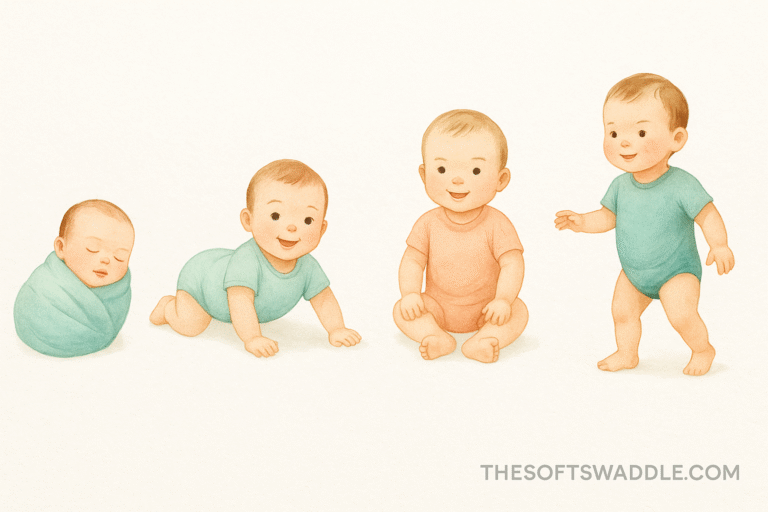
Every Baby Has Their Own Pace
One of the biggest mistakes parents make is comparing their child to others.
You may hear things like:
- “My child was trained at 2 years”
- “It only took us one week”
But what works for one child may not work for another. Some children:
- Learn in a few days
- Take a few weeks
- Need a few months
All of these are normal. If your child is taking longer, it does not mean you are doing anything wrong. It simply means your child is learning at their own speed.
Understanding the Difference Between Potty Training and Pee Training
Many parents assume potty training and pee training are the same, but they are slightly different skills.
- Pee training is usually easier and comes first
- Potty training for poop can take more time
This happens because:
- Peeing is more frequent and easier to recognize
- Pooping requires more control and awareness
So if your child starts peeing in the potty but still prefers a diaper for poop, that is completely normal. Do not rush this phase. Let your child get comfortable step by step.
How to Start Potty Training in a Simple Way
You do not need a complicated routine. Start small and stay consistent.
1. Introduce the Potty
Let your child sit on the potty fully clothed at first. This helps them get comfortable.
2. Create a Routine
Take your child to the potty:
- After waking up
- After meals
- Before bedtime
Even if they do nothing, the habit is forming.
3. Use Simple Words
Teach easy words like:
- Pee
- Potty
- Bathroom
This helps your child communicate better.
4. Dress for Easy Removal
Loose pants or training underwear can make things easier and faster.
5. Celebrate Small Wins
Even sitting on the potty is progress. Encourage your child with smiles and gentle praise.
How Long Does Potty Training Take
This is one of the most common questions parents have.
The honest answer is:
There is no fixed timeline.
- Some children learn in a few days
- Some take a few weeks
- Others may take a few months
And sometimes, progress is not linear. You may see:
- A few successful days
- Followed by accidents again
This does not mean failure. It is part of the learning process. Consistency matters more than speed.
Common Challenges and How to Handle Them
Accidents will happen
This is part of learning. Stay calm and avoid scolding. Say something like:
“It is okay, next time we will try the potty”
Resistance
Some children refuse at first. Do not force it. Take a short break and try again after a few days or weeks.
Fear of the toilet
Big toilets can feel scary.
- Use a smaller potty chair
- Stay close for reassurance
Some potty training challenges are linked to early diaper habits. You can also check this guide on diapering mistakes new parents often make for helpful insights.
Creating a Potty Friendly Environment at Home
Your home setup can make a big difference in how smoothly potty training goes. Here are a few simple things you can do:
- Keep the potty easily accessible
- Use a step stool for regular toilets
- Dress your child in easy to remove clothes
- Maintain a calm and pressure free environment
When the environment feels safe and easy, children are more willing to try.
Nighttime Pee Training
Night training is different from daytime training. Some helpful tips:
- Limit liquids before bedtime
- Make bathroom visits part of bedtime routine
- Use protective bedding
Even after progress, occasional accidents at night are common. Do not rush this stage. The body needs time to develop control.
Signs Your Child Is Making Progress
Progress is not always obvious, but small signs matter. Look for:
- Staying dry for longer periods
- Informing you before or after peeing
- Showing interest in using the potty
- Fewer accidents over time
Even small improvements mean your child is learning.
Potty Training Is Part of Overall Development
Potty training is not just about toilet habits. It is closely linked to your child’s physical and emotional development. Skills like:
- Body awareness
- Communication
- Routine building
All play a role in this phase. If you want to understand how these milestones fit into your child’s bigger growth journey, you can explore our Growth and Development section for a complete overview.
It will give you a broader perspective and help you stay patient through different stages.
When to Be Patient and When to Seek Advice
In most cases, delays are normal. However, you may consider speaking to a doctor if:
- Your child shows no progress after consistent effort
- There is pain while urinating
- There are sudden changes after being trained
Otherwise, patience is your best tool.
Final Thoughts on Potty Training and Pee Training
Potty training and pee training is not a race. It is a journey that looks different for every child. Some children learn early. Some take time. Both are perfectly fine.
What truly matters is:
- Creating a comfortable environment
- Avoiding pressure
- Supporting your child with patience
At the end of the day, your child will learn. With your guidance and understanding, they will get there in their own time.