Baby Sleep and Comfort: A Complete Guide for New Parents

Baby Sleep and Comfort is often the first concern new parents have after bringing their baby home. Sleep affects everything from feeding to mood to development. Comfort determines how secure and settled a baby feels in their new world. While advice is everywhere, the truth is simpler and more reassuring. Every baby is different, and healthy sleep does not look the same for every family.
This guide is designed to gently walk you through baby sleep and comfort from the newborn stage onward. You will learn what is normal, what truly matters, how to support your baby naturally, and when there is no need to worry.
Understanding Baby Sleep and Comfort From the Start
Babies are not born with adult sleep patterns. In the early months, sleep is driven by hunger, comfort, and physical development rather than clocks or routines.
Newborns sleep in short cycles, often waking every two to three hours. This is normal and healthy. Comfort during these periods plays a huge role in how easily babies fall asleep and return to sleep after waking.
Comfort includes warmth, familiarity, gentle movement, feeding, and the presence of a trusted caregiver. When these needs are met, sleep follows more naturally.
Many parents notice that sleep patterns vary widely. Our guide on why every newborn sleeps differently explain this in detail.
Baby Sleep & Comfort in the Newborn Stage
How Much Do Newborns Sleep
Most newborns sleep between 14 and 17 hours in a 24 hour period. This sleep is broken into short stretches, day and night. It is common for newborns to:
- Wake frequently to feed
- Sleep more during the day at first
- Have unpredictable sleep patterns
This does not mean something is wrong. It means your baby is adjusting to life outside the womb.
Why Comfort Is More Important Than Schedules
In the newborn phase, comfort matters more than routines. Feeding on demand, holding your baby, responding to cries, and allowing contact naps are all healthy and beneficial.
Babies do not develop habits this early. Responding to their needs builds trust and emotional security.
Safe Sleep Practices That Support Comfort
Safety and comfort go hand in hand. A baby who feels secure also needs a safe sleep environment.
Safe Sleep Basics
- Always place babies on their back to sleep
- Use a firm mattress with a fitted sheet
- Keep the sleep space free from pillows, loose blankets, and toys
- Share a room but not a bed if possible
A calm, clutter free sleep area helps babies feel settled without unnecessary stimulation.
Understanding Baby Sleep Cues
Babies show signs when they are ready for sleep. Learning to recognize these cues helps prevent overtiredness. Common sleep cues include:
- Yawning
- Slower movements
- Turning head away
- Fussiness without hunger
- Rubbing eyes or ears
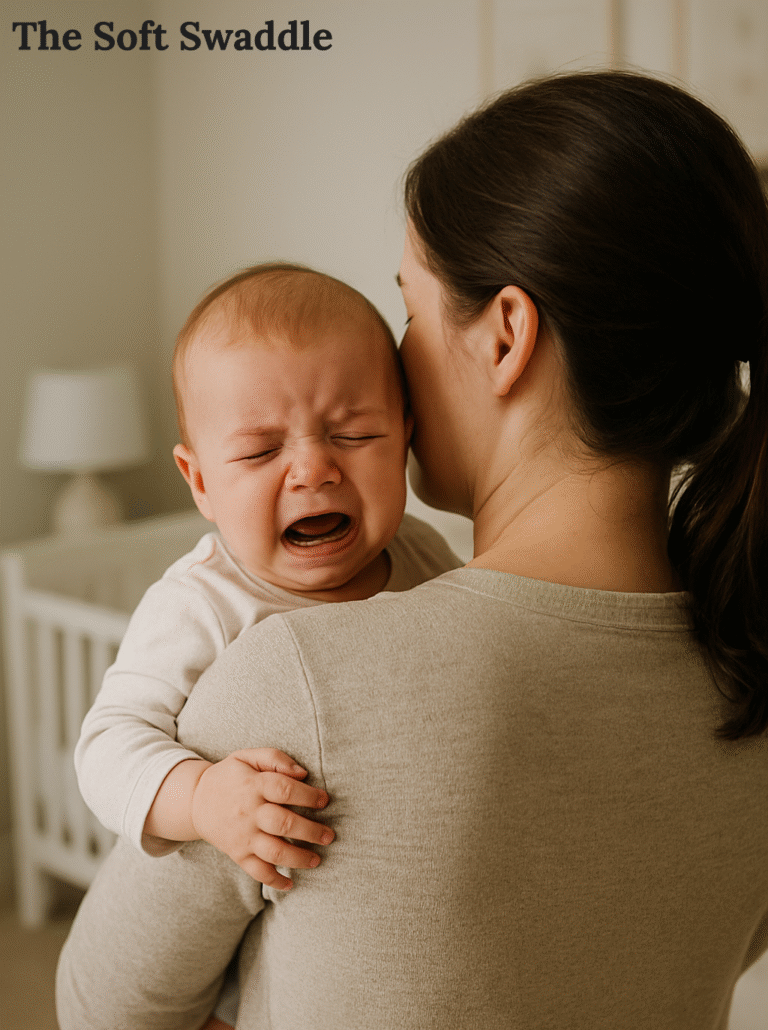
Responding early makes sleep easier and more comfortable. Fussiness is often misunderstood as a sleep problem, but it is usually a form of communication. Learning why newborns fuss can help parents respond calmly and prevent unnecessary stress around sleep.
Swaddling and Baby Comfort
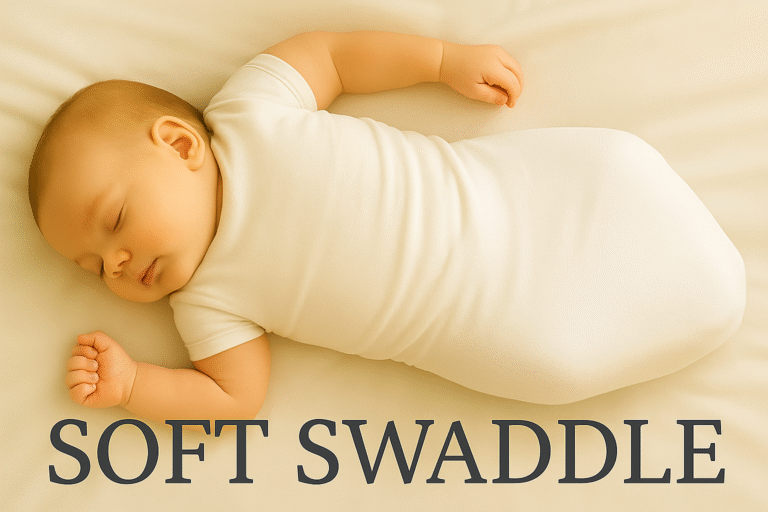
Swaddling can be a powerful comfort tool, especially in the early months. Swaddling can support comfort when done safely. This complete swaddling guide covers benefits, safety, and when to stop.
Why Swaddling Helps
- Mimics the snug feeling of the womb
- Reduces startle reflex
- Helps babies settle faster
When to Stop Swaddling
Swaddling should stop once a baby shows signs of rolling. At this stage, transitioning to sleep sacks is safer.
Not all babies enjoy swaddling. Some prefer free movement. Follow your baby’s cues rather than forcing a method.
Baby Sleep Environment and Comfort
Small changes in the sleep environment can greatly improve comfort.
Light: Dim lighting helps babies distinguish night from day over time. Darkness signals sleep.
Sound: White noise or gentle household sounds can be soothing. Complete silence is not necessary.
Temperature: Dress babies comfortably. Overheating can disrupt sleep. A room that feels comfortable to an adult is usually suitable for a baby.
Growth, Development, and Sleep Changes
Sleep patterns often change during growth spurts and developmental milestones.
Rolling Over and Sleep
When babies learn to roll, sleep may temporarily become disrupted. This is normal and our article on when babies start rolling over explains what to expect. Allow your baby to find a comfortable position while maintaining safe sleep practices.
Developmental Leaps
Periods of rapid brain development can lead to more frequent waking. These phases pass with time and reassurance.
Comfort Beyond the Crib
Sleep does not only happen in cribs. Many babies sleep best when close to caregivers. Safe options include:
- Contact naps
- Sleeping with a parent in the same room
- Allowing a trusted partner or family member to soothe the baby
Comfort is about emotional security as much as physical rest. One simple way to support emotional security is close physical contact. Understanding why skin to skin is important for babies explains how touch, warmth, and presence help babies feel safe and settled.
Common Baby Sleep Concerns and Reassurance
- Short naps are common in young babies. They lengthen naturally with age.
- Waking at night does not mean poor sleep. It is protective and biologically normal.
- Avoid comparison. Babies develop sleep skills at different times.
When to Talk to a Doctor
While most sleep variations are normal, consult a doctor if:
- Your baby is not gaining weight
- Sleep is consistently accompanied by breathing difficulties
- Your baby seems excessively lethargic
Trust your instincts. You know your baby best.
Building Gentle Sleep Habits Over Time
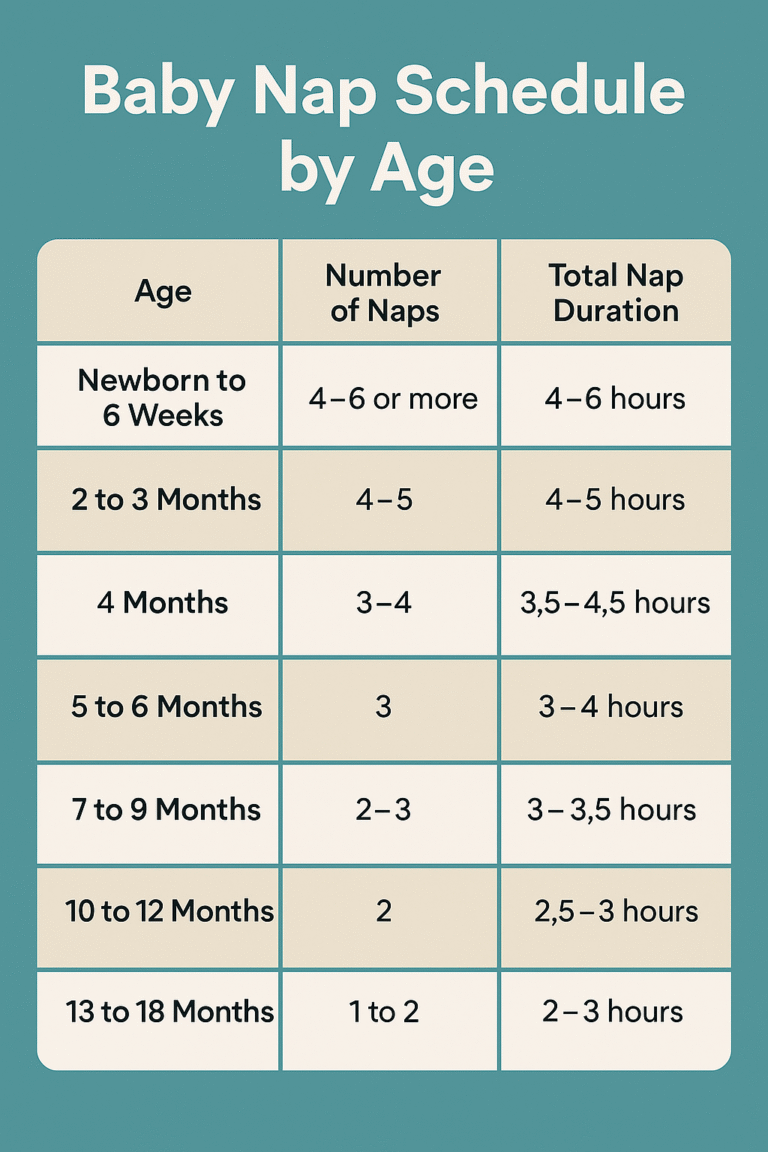
As babies grow, gentle routines can support better sleep. While strict schedules are not required, understanding age appropriate rest can be helpful. A gentle baby nap schedule by age can give parents realistic expectations without forcing routines. Simple habits include:
- Consistent bedtime cues
- Calm activities before sleep
- Predictable feeding and rest patterns
Rigid schedules are not required. Flexibility keeps both baby and parents comfortable.
Baby Sleep & Comfort and Parental Well Being
Your comfort matters too. Rest when you can. Accept help. Sleep deprivation is challenging, and support makes a difference. A calm caregiver helps create a calm baby.
Helpful Guides for Deeper Reading
If you want to explore specific topics in more detail, these guides can help:
- Why Every Newborn Sleeps Differently (And What You Can Do)
- Baby Nap Schedule by Age
- The Complete Guide to Swaddling Your Baby
- Why Newborns Fuss: Real Reasons and Calming Tips
- When Do Babies Start Rolling Over
- Why Skin to Skin is Important for Babies
These resources allow you to go deeper into individual concerns while this guide provides the big picture.
Final Thoughts on Baby Sleep and Comfort
Baby sleep is not something to fix. It is something to support. Comfort builds trust, and trust supports rest.
There will be phases of smooth sleep and phases of disruption. Both are part of healthy development. Focus on safety, responsiveness, and emotional security rather than perfection.
You are not doing it wrong if your baby wakes often. You are meeting your baby where they are.

7 Comments