When Do Babies Start Rolling Over? A Gentle Guide for New Parents
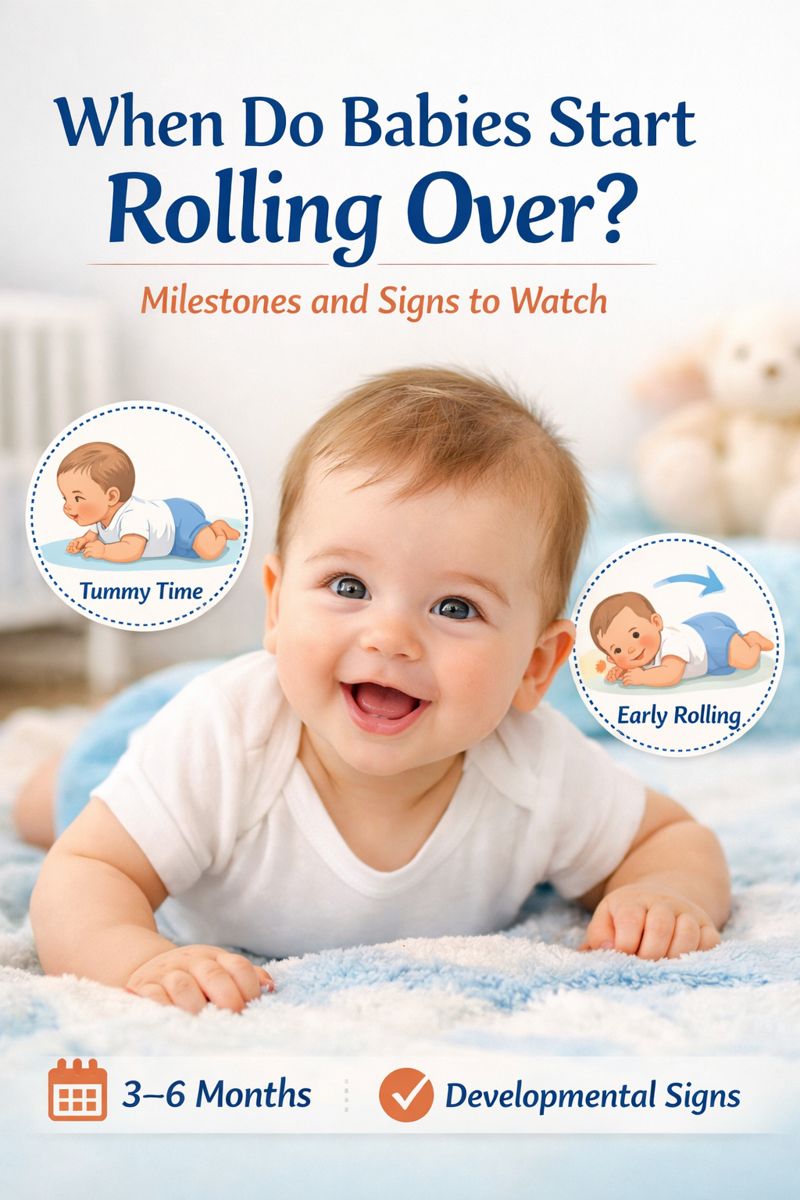
When Do Babies Start Rolling Over is one of the most common questions new parents ask during those early months. Watching your baby reach milestones can be exciting, confusing, and sometimes a little stressful. You may see another baby rolling early and start wondering if your child is late. The most important thing to remember from the start is that every baby is different, and a slight delay is usually not a concern as long as your baby is healthy, active, and growing well.
Understanding milestones like rolling becomes easier when you look at them within the broader context of baby sleep and comfort, rather than comparing timelines.
This guide will walk you through when babies usually start rolling, what signs to look for, how you can support your baby naturally, and when it might be time to check with a doctor.
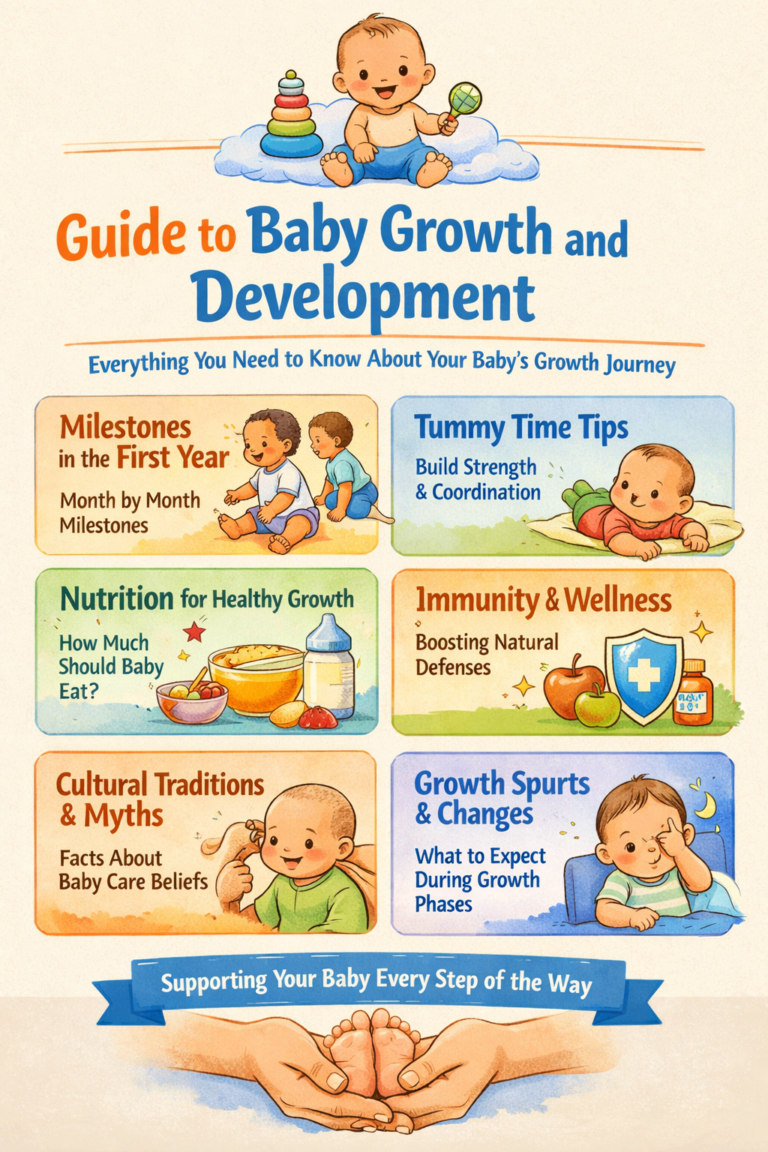
Rolling is just one small but important part of overall baby growth and development, and understanding the bigger picture can make milestones feel far less stressful.
When Do Babies Start Rolling Over
Most babies begin rolling over between 3 and 6 months of age. Some babies roll earlier, while others take more time. Both are completely normal.
Here is a general timeline, but keep in mind this is only a guide:
- Around 3 to 4 months
Many babies start rolling from tummy to back. This often happens by accident at first because their head is heavy and their neck strength is improving. - Around 5 to 6 months
Babies usually learn to roll from back to tummy. This movement requires more strength and coordination, so it often comes later.
Some babies may skip rolling entirely and move straight to sitting or crawling. That can also be normal.
Why Rolling Over Is an Important Milestone
Rolling over is more than just a cute movement. It plays an important role in your baby’s development.
- It strengthens neck, shoulder, arm, and core muscles
- It helps with body awareness and coordination
- It prepares the baby for future milestones like sitting and crawling
These early movement skills support strength, coordination, and confidence, all of which are key parts of healthy baby growth and development over time.
Rolling over is one of the many physical milestones babies reach during their first year. If you are curious about what usually comes next and how development unfolds over time, you may find it helpful to read our guide on milestones in the first year.
Still, it is important not to treat milestones as deadlines. Babies develop at their own pace, and healthy development can look different for each child.
Signs Your Baby Is Getting Ready to Roll
Before your baby rolls over for the first time, you may notice some early signs. These signs show that muscles and coordination are developing.
- Lifting the head during tummy time
- Pushing up on arms
- Rocking side to side while lying down
- Turning the head and shoulders together
- Kicking legs with more strength
These movements are all part of the learning process. Even if your baby is not rolling yet, these signs mean progress is happening.
Back to Tummy vs Tummy to Back Rolling
Parents are often surprised to learn that babies usually roll tummy to back first, not the other way around.
Tummy to Back Rolling
This happens earlier because gravity helps. When babies lift their head during tummy time, they may naturally tip over onto their back.
Back to Tummy Rolling
This takes more strength and coordination. Babies need to use their arms, core, and legs together, which is why it usually comes later.
If your baby masters one direction and not the other for a while, that is completely normal.
What If My Baby Is Not Rolling Yet?
This is where many parents worry, but here is the reassurance you need.
If your baby is happy, alert, gaining weight, and showing movement, a slight delay in rolling is usually not a concern. Every baby is different, and development does not follow a strict schedule.
Some reasons babies may roll later include:
- Limited tummy time
- A calm or less active personality
- Focusing on other skills like head control or hand movements
As long as your baby is healthy, responsive, and moving in other ways, there is usually no need to worry.
How to Help Your Baby Learn to Roll Naturally
You do not need special equipment or exercises to achieve this. Simple daily activities are enough.
Increase Tummy Time
Tummy time helps strengthen muscles needed for rolling.
- Start with short sessions several times a day
- Get down at eye level to engage your baby
- Use toys or your voice to encourage movement
Regular tummy time plays a big role in building the strength needed for rolling. If you are unsure how often to do it or how to make it enjoyable, our detailed guide on tummy time for babies explains everything step by step.
Encourage Side Play
Place your baby on their side while supervised.
- Support their back with a rolled towel
- Let them reach for toys in front
This helps babies learn how their body shifts during rolling.
Give Space to Move
Avoid keeping your baby in carriers, swings, or seats for long periods. Floor time allows free movement and exploration.
Avoid Forcing the Movement
Never push or force your baby to roll. Learning happens best through natural movement and play.
Safety Tips Once Your Baby Starts Rolling
Rolling can happen suddenly, even before parents expect it. Once your baby shows signs of rolling, safety becomes very important.
- Never leave your baby unattended on a bed or changing table
- Always keep one hand on your baby during diaper changes
- Use the floor for playtime whenever possible
For sleep, always place your baby on their back, even if they can roll. Once babies can roll on their own, it is safe to let them find their own sleeping position.
Rolling and Sleep Changes
Some parents notice sleep disruptions when babies start rolling. This is normal. These temporary disruptions are part of changing baby sleep and comfort as your baby learns new skills and adjusts to their body. Your baby may:
- Roll and wake themselves up
- Get stuck on their tummy and cry
- Practice rolling during sleep
Give your baby time to adjust. This phase usually passes as they gain confidence and strength.
When to Talk to a Doctor
While delays are usually normal, there are a few situations where it is a good idea to check with your pediatrician.
- Your baby does not show any attempts to roll by around 6 months
- There is very limited movement on one side of the body
- Your baby seems unusually stiff or floppy
- You have a strong feeling something is not right
Trust your instincts. Asking questions early is always better than worrying silently.
Comparing Babies Can Increase Anxiety
One of the biggest causes of stress for new parents is comparison. Social media, family comments, and milestone charts can make you feel like your baby is behind.
Remember this clearly:
- Babies develop skills in different orders
- Early rolling does not mean advanced development
- Late rolling does not mean a problem
A healthy baby who is loved, cared for, and encouraged will develop at their own pace.
Final Thoughts for New Parents
When Do Babies Start Rolling Over does not have one fixed answer. Most babies roll between 3 and 6 months, but there is a wide range of normal.
The most important points to remember are:
- Every baby is different
- Slight delays are usually not a concern
- Focus on overall health, not just milestones
- Gentle support and patience go a long way
Your baby is learning every day, even when it does not look obvious. Trust the process, enjoy the small moments, and remember that development is a journey, not a race.
If you ever feel unsure, your pediatrician is there to guide you. Until then, take a deep breath. You are doing better than you think.
One Comment