Newborn Sleep Tips: Why Every Baby Sleeps Differently (And What You Can Do)
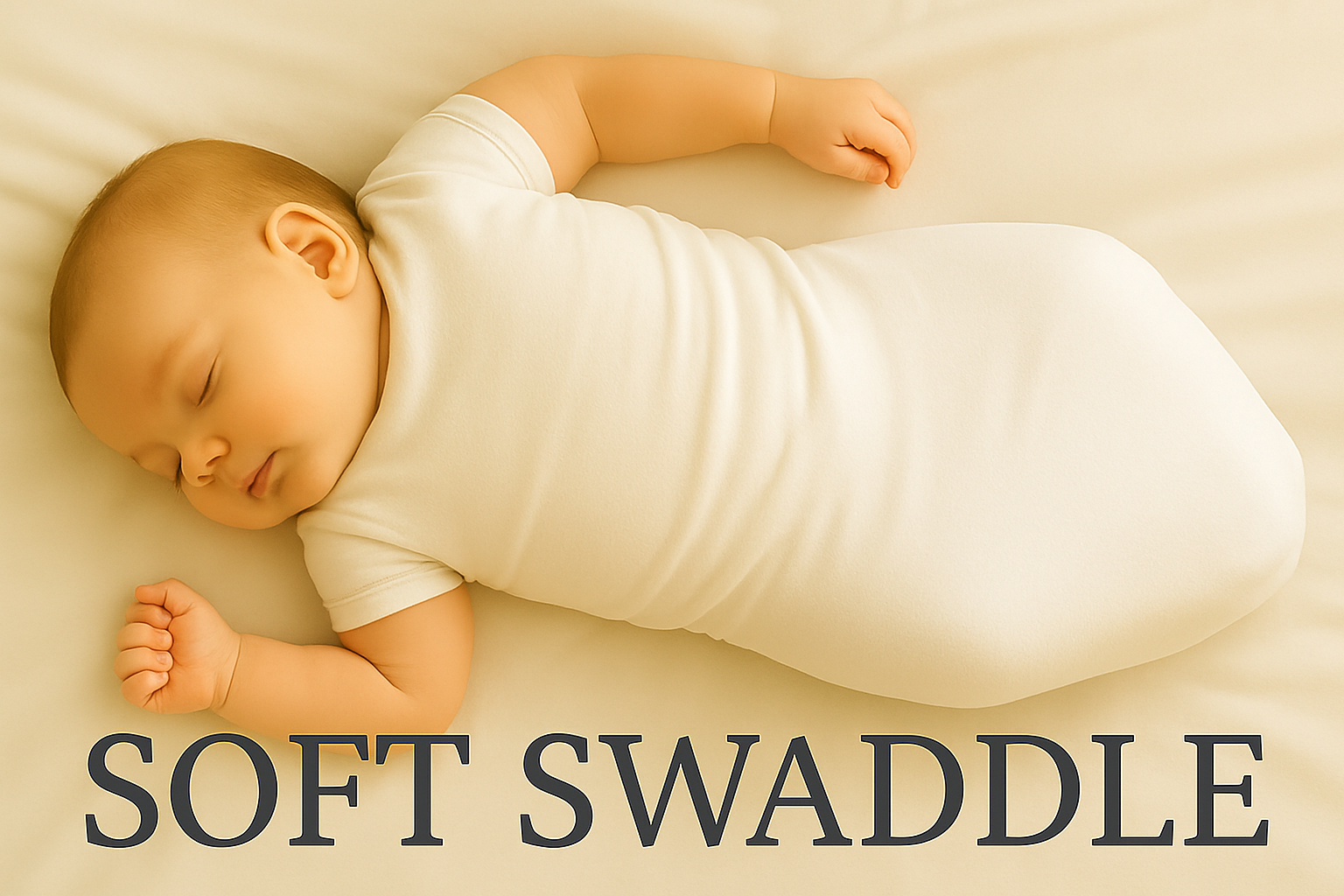
Sleep is one of the most searched topics for new parents, and it is easy to see why as everyone looks for reliable newborn sleep tips that actually work. But what if we told you that there is no one-size-fits-all sleep solution? That’s right, every baby is different, and understanding this early on can make your parenting journey a lot smoother. Understanding newborn sleep becomes much easier when you look at the bigger picture of baby sleep and comfort, rather than focusing on quick fixes alone.
There Is No Standard Baby
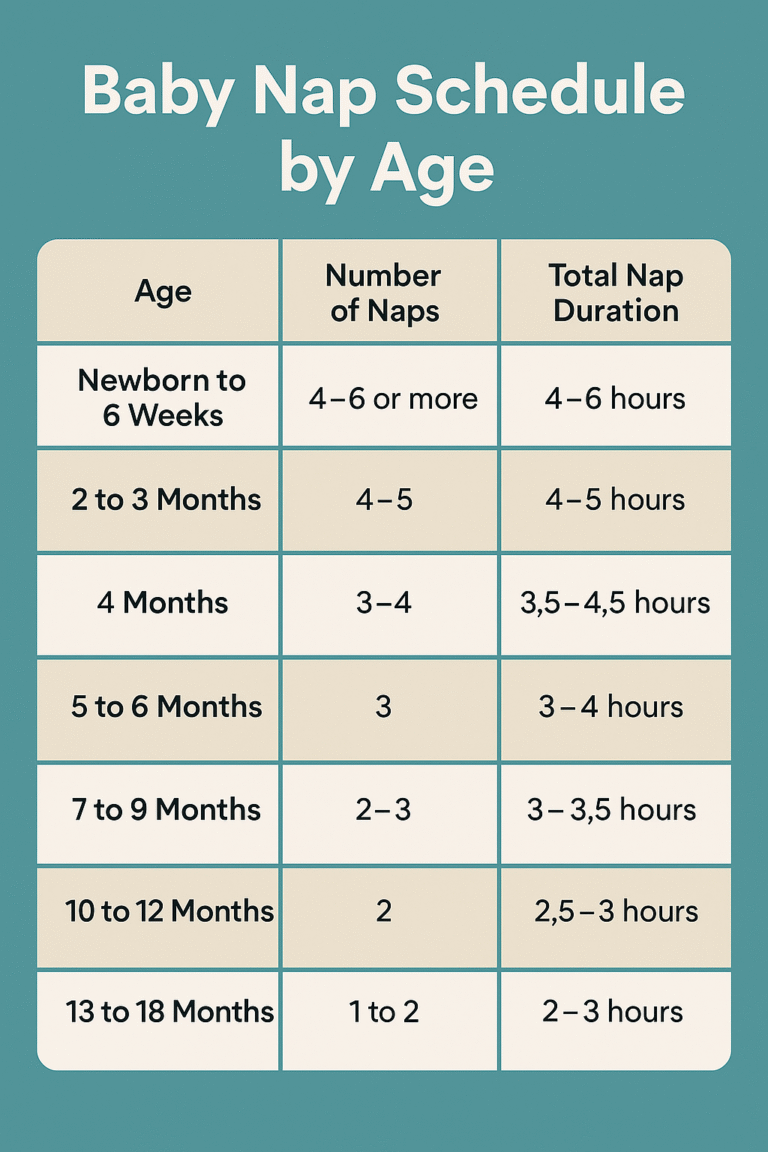
Some babies sleep 16 hours a day. Others barely nap for more than 20 minutes. And that is completely normal. Every baby has a unique biological rhythm, temperament, and comfort level. Trying to force a strict routine on your baby because a book or influencer said so can lead to frustration for both of you.
If your little one struggles to settle even after trying different routines, it might help to understand why newborns fuss in the first place. Check out our article Why Newborns Fuss: Real Reasons and Calming Tips That Actually Work for simple ways to soothe your baby and create a calmer bedtime environment.
Observe Before You Intervene
Instead of trying to fix your baby’s sleep, spend a few days just observing:
- When do they naturally get sleepy?
- Do they prefer movement or silence?
- Are they more relaxed in the afternoon or evenings?
You will start to notice a pattern. Building your baby’s sleep schedule around their natural cues works far better than enforcing a clock-based schedule.
Let the Baby Sleep with Other Family Members
Here is something most guides do not mention: let your baby sleep with your partner or other trusted family members whenever possible.
Why?
- It helps your baby get used to other comforting voices and touches.
- It eases separation anxiety over time.
- It strengthens family bonding and offers you some rest, which you truly deserve.
Rotating sleep caregivers (if possible) also prepares your child for daycare or overnight stays in the future.
Gentle Sleep Cues That Work
Rather than a rigid bedtime routine, think of sleep cues that gently tell your baby it is time to rest:
- Dim lights after sunset
- A soft lullaby or hum
- Warm bath before sleep
- Skin-to-skin cuddles
The key is consistency with flexibility. A balance of both is what your baby needs.
Avoid the Comparison Trap
Just because your friend’s baby started sleeping through the night at 6 weeks does not mean yours should. It is not a race.
Trust your baby’s timeline.
What matters most is that your child is well-fed, safe, loved, and gradually developing a rhythm. Sleep will follow.
Once your baby’s sleep becomes a bit more predictable, you can start exploring small developmental activities that encourage better rest. Try Tummy Time for Babies: Simple and Powerful Ways to Boost Development to see how it supports growth and relaxation throughout the day.
Final Thoughts – Newborn Sleep Tips
If you are feeling overwhelmed with sleep struggles, take a deep breath and remind yourself: You are doing great. For a gentle, full overview of sleep patterns, comfort needs, and what is truly normal, you may find our baby sleep and comfort guide helpful. Tune into your baby, try small changes, and accept help when it is offered. The rest will fall into place.




6 Comments