The Ultimate Guide to Traveling with a Baby on Flights (Without the Tears)
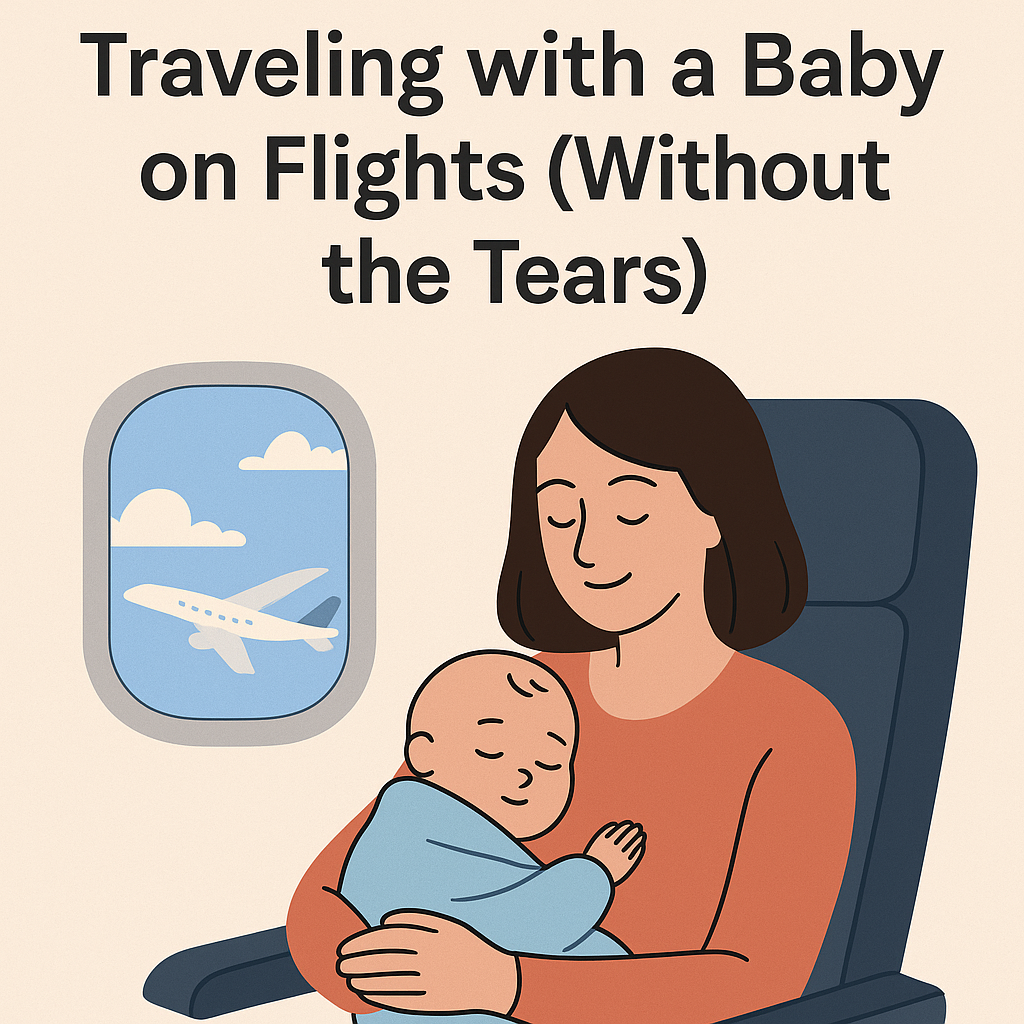
Traveling with a baby on flights can feel intimidating, especially for new parents who imagine endless crying, cramped seats, and judgmental stares from fellow passengers. But with the right preparation and mindset, flying with your baby can be surprisingly smooth and even enjoyable. Whether you are planning a short domestic flight or an international journey, understanding how to keep your little one calm, comfortable, and safe is the key to stress-free air travel.
In this complete guide, we will walk through everything you need to know about flying with a baby, including how to prepare before takeoff, what to pack, and how to handle common challenges mid-flight. Let’s make your baby’s first flight a happy one.
Why Travelling with a Baby Feels Challenging (But Doesn’t Have to Be)
For new parents, the thought of being in a closed airplane cabin with a crying baby can be stressful. Concerns about ear pain, diaper changes, or managing sleep schedules during travel are completely natural. The good news is that most of these worries can be minimized through simple planning and understanding how babies respond to air travel.
Babies are highly adaptable. What matters most is creating an environment that feels familiar, soothing, and predictable. A calm parent is also a calm baby, so your comfort and confidence play a big role in how the journey unfolds.
Preparing Before the Flight
1. Choose the Right Flight Timing
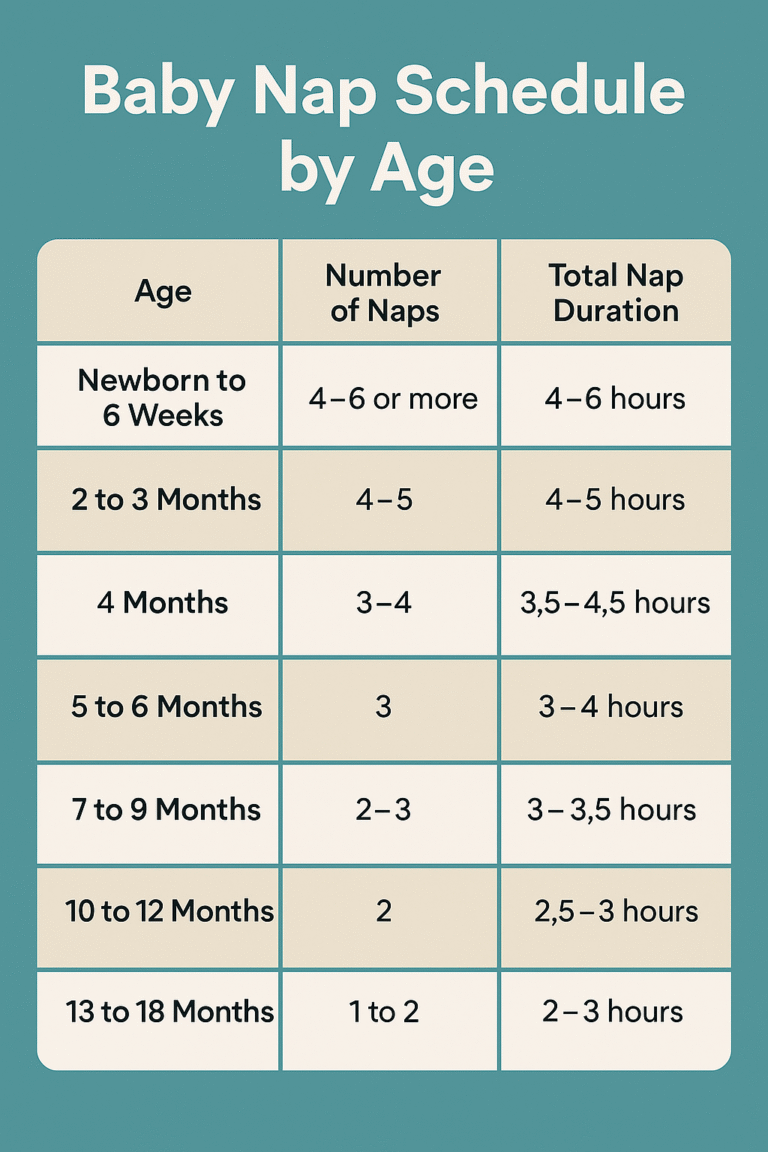
Whenever possible, book flights that align with your baby’s nap or sleep schedule. Early morning or late-night flights often work well since babies tend to be more relaxed. Avoid peak travel times that might lead to extra noise or long waiting hours at the airport.
If you are flying internationally, try to gradually adjust your baby’s sleep schedule a few days before departure to match the destination’s time zone. This small adjustment can make the transition smoother once you land.
2. Select the Best Seat on the Plane
Parents traveling with infants should prioritize convenience. Aisle seats allow easy access to restrooms and give you the flexibility to move around if your baby becomes fussy. For longer flights, request a bulkhead seat that offers extra legroom and space for a bassinet.
Many airlines provide bassinets for infants under 10 to 12 kilograms. You will need to reserve one in advance since they are limited. Check the airline’s website or contact customer service before booking.
3. Pack a Well-Organized Baby Bag
Your carry-on bag should include all the essentials your baby might need mid-flight. Here’s a checklist to help you prepare:
- 4–6 diapers and baby wipes
- One changing mat and small diaper disposal bags
- Extra set of baby clothes
- Lightweight blanket or swaddle
- Bottles, formula, or breast milk as required
- Snacks or finger foods for older babies
- Pacifier for ear pressure relief
- Small toys or soft books for entertainment
- Sanitizing wipes for tray tables and armrests
Pack these items in a compact, easy-to-access way so you do not have to dig through your bag during the flight.
Feeding Tips for Flying with a Baby
One of the most effective ways to comfort your baby during takeoff and landing is through feeding. The change in air pressure can cause ear discomfort, and swallowing helps equalize the pressure in the ears. You can breastfeed, bottle-feed, or offer a pacifier during these times.
If you are formula feeding, pack pre-measured formula powder in containers and request warm water from the flight attendants. For breastfed babies, feeding on demand is the simplest solution. Make sure you bring a cover or light shawl if you prefer privacy.
Avoid introducing any new foods or snacks during the flight to prevent possible stomach discomfort.
How to Keep Your Baby Calm and Entertained Mid-Flight
1. Maintain Familiar Routines
Babies feel secure when their usual routines are maintained. Try to follow your baby’s regular sleep, feeding, and play schedule as closely as possible. Carry familiar items like their favorite swaddle or soft toy, as these provide comfort in a new environment.
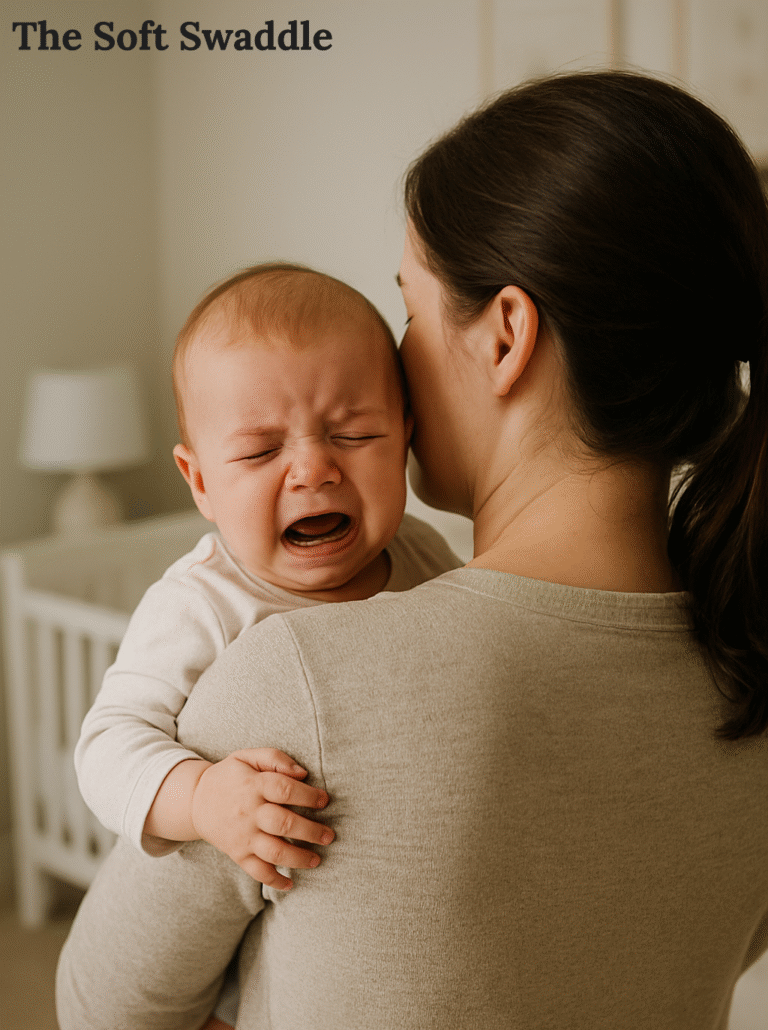
If your baby tends to cry or get fussy during travel, it may not always be because of tiredness or hunger. Sometimes it’s the little things that cause discomfort. Check out our article to better understand and calm your baby before your next flight.
2. Movement Helps
If your baby becomes restless, gentle movement often works wonders. Walk up and down the aisle if the seatbelt sign is off. The rhythmic motion of walking and the sound of the plane’s engines often help lull babies back to sleep.
3. Engage with Soft Distractions
Bring a few quiet toys, picture books, or soft rattles. Avoid noisy toys that might disturb other passengers. Babies are naturally curious, so sometimes just letting them observe what is happening around them can keep them engaged.
Dealing with Diaper Changes on a Plane
Changing diapers on a plane can be tricky, but manageable. Most long-haul flights have at least one restroom with a fold-down changing table. Keep a small diaper kit ready with only what you need for one change instead of taking the entire bag.
If the lavatory is occupied or too small, you can ask the flight attendant for assistance. Always dispose of used diapers in sealed bags to minimize odor. Keep in mind that turbulence might make diaper changes difficult, so try to plan around calmer periods.
Tips for Long or International Flights
Flying long distances with a baby requires extra preparation. Here are some additional tips:
- Reserve a baby bassinet early: They allow your baby to sleep comfortably without being held the entire flight.
- Carry extra formula or snacks: Airlines may not always have suitable baby food available.
- Dress in comfortable layers: Airplane cabins can be unpredictable in temperature.
- Bring a baby carrier: Useful for boarding, deplaning, and walking through the airport hands-free. Long flights also mean multiple diaper changes, and that can get tricky in tight airplane lavatories. Before you travel, read our quick guide on diapering mistakes new parents often make to avoid common slip-ups and keep your baby comfortable during the journey.
- Adjust to the destination’s time gradually: Start shifting your baby’s routine one hour per day before travel.
How to Handle Unwanted Attention or Noise Concerns
Even the calmest babies might cry during flights. Do not worry about judgmental looks or unhelpful comments. Most passengers understand how challenging it is to travel with a baby. A calm and polite attitude goes a long way.
If your baby starts crying, gently rock them, sing softly, or move around when possible. Babies usually calm down once they feel comforted and secure. Remember that your goal is not to keep everyone quiet but to help your baby feel safe and reassured.
Keeping Yourself Comfortable Too
Parents often focus entirely on the baby and forget their own comfort. Make sure you are well-rested, hydrated, and relaxed. Eat before boarding if possible, and keep a water bottle handy.
Accept help from your travel partner, family, or flight attendants. If you are traveling alone, do not hesitate to ask for small favors such as heating milk or holding an item for a moment.
When you stay calm, your baby senses it and relaxes faster.
What to Do After Landing
Once the flight is over, give your baby some time to stretch and adjust to the new surroundings. Change their diaper and feed them as needed. If your destination is in a different time zone, let your baby nap naturally instead of forcing immediate schedule changes.
Be patient for the first day or two as both of you recover from the journey. Babies adapt quickly, and soon you will both be ready for new adventures.
Final Thoughts on Traveling with a Baby on Flights
Flying with a baby does not have to be stressful or chaotic. With proper preparation, realistic expectations, and a calm mindset, you can ensure a pleasant journey for both you and your little one. Each flight will teach you something new about your baby’s needs and how to make travel smoother next time.
Remember that babies thrive on love, patience, and familiarity. Keep those three things in mind, and even a long flight can feel like a comfortable nap in the sky.
So pack your baby’s favorite blanket, take a deep breath, and get ready to enjoy your first flying adventure together. Safe travels from The Soft Swaddle family.

One Comment