How to Take Care of Kids When Season Changes
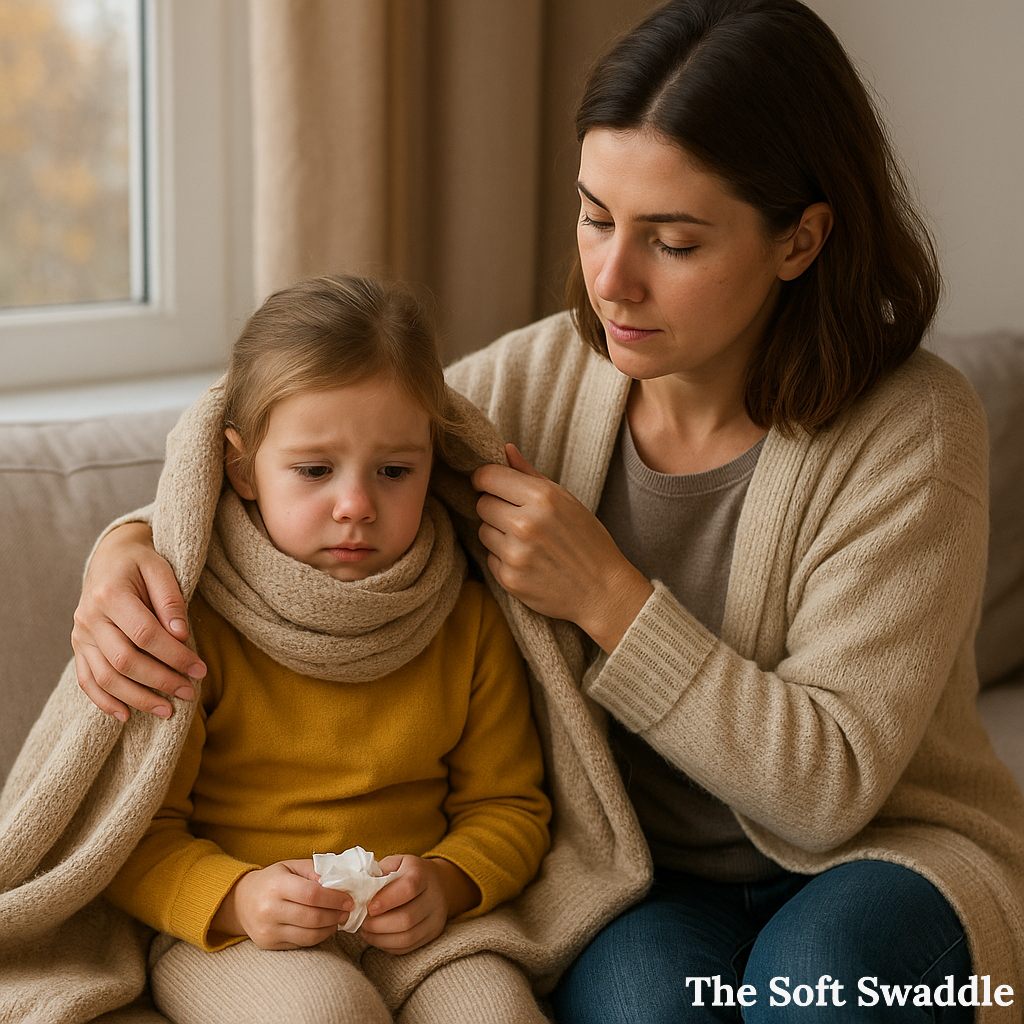
Seasonal transitions can be tricky for parents. The moment the weather shifts from warm to cool or dry to humid, many children start showing signs of a runny nose, sneezing, or mild cough. Knowing how to take care of kids when season changes can help you protect your little one from falling sick and ensure a smooth adjustment to the new weather.
Whether it’s the onset of winter, summer, or monsoon, the sudden change in temperature often weakens children’s immunity, making them more prone to colds and infections. With the right precautions and a little extra care, you can minimize these risks and keep your child healthy all year round.
Why Kids Catch Cold During Season Change
Children are naturally more sensitive to changes in their environment. When the temperature fluctuates between day and night, or when the air becomes too dry or too humid, the body takes time to adjust. Kids’ immune systems are still developing, which makes them more vulnerable to viruses that thrive during seasonal shifts.
Common reasons include:
- Sudden exposure to cold or hot air
- Increased allergens in the air
- Viruses circulating more actively during certain seasons
- Wearing inappropriate clothing for the weather
- Dehydration or poor nutrition that weakens immunity
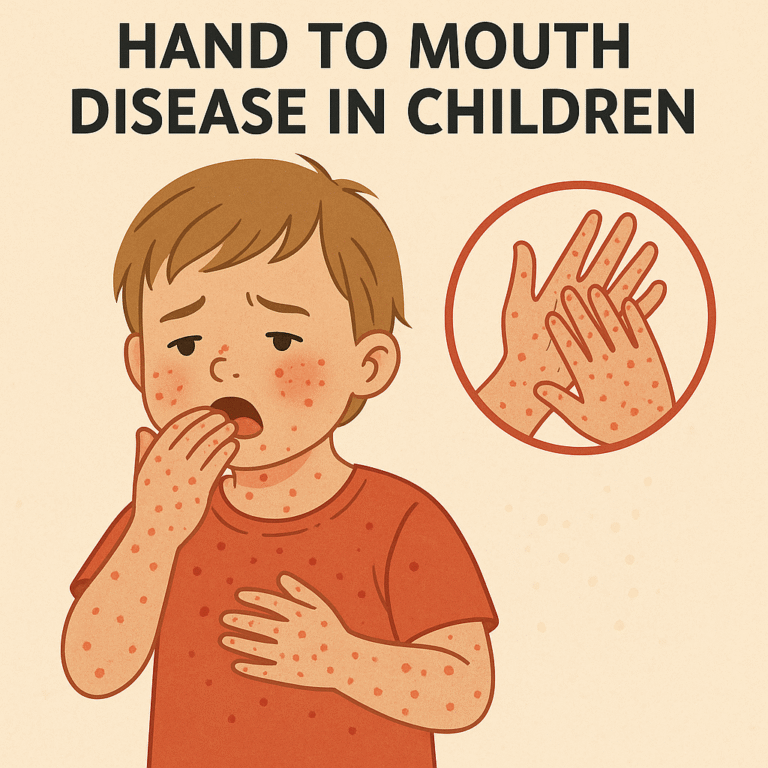
Understanding these causes can help you take preventive steps before the sniffles begin. Sudden weather shifts can also trigger other infections such as mild flu or hand to mouth disease. These often spread through touch or shared items. Parents can refer to Hand to Mouth Disease in Children: Causes, Symptoms, Treatment, and Seasonal Risks
for complete prevention and care tips.
How to Prepare for Seasonal Changes
One of the best ways to handle seasonal transitions is to prepare early. Parents should start adjusting their child’s routine and environment as soon as they notice the weather starting to shift.
1. Adjust clothing gradually
Don’t rush to heavy woolens as soon as the first cool breeze blows, or switch to sleeveless clothes too quickly when summer begins. Layer your child’s clothing so it can be adjusted easily based on temperature changes throughout the day.
2. Keep their room comfortable
Maintain a stable room temperature. Avoid direct exposure to air conditioners or heaters. Proper ventilation helps prevent the growth of bacteria and mold, which can worsen allergies.
3. Focus on nutrition
Boost your child’s immunity by including seasonal fruits and vegetables in their meals. Foods rich in vitamin C, such as oranges, guavas, and amla, can strengthen the body’s defense system. Add warm soups, herbal teas, and homemade broths during colder months to keep them hydrated and nourished.
4. Maintain good hygiene
Teach your kids to wash their hands frequently, especially before meals and after playing outdoors. Seasonal viruses spread easily through touch, so keeping hands clean is one of the simplest ways to prevent infection.
5. Ensure proper sleep
Lack of sleep weakens immunity. Make sure your child has a consistent bedtime routine and gets enough rest to help the body recover and stay healthy.
What to Do if Your Child Catches a Cold
Even with the best care, children can still catch a cold occasionally. The good news is that most colds are mild and can be treated at home with comfort measures and rest.
1. Keep them hydrated
Encourage plenty of fluids like warm water, soups, and natural juices. Hydration helps thin mucus and soothes the throat. For babies under six months, continue breastfeeding as it provides antibodies to fight infection.
2. Use a humidifier
If the air in your home is dry, use a humidifier to maintain moisture. It helps ease congestion and prevents throat irritation.
3. Offer warm, soothing foods
Warm liquids like turmeric milk, clear soups, and honey with lukewarm water (for kids above one year) can ease coughing and soreness. Avoid cold foods and sugary snacks during this time.
4. Steam inhalation
For older children, gentle steam inhalation can help clear nasal passages. Always supervise closely and keep the steam mild to avoid burns.
5. Keep their nose clear
Use saline nasal drops to relieve congestion in infants and toddlers. Wipe their nose gently and keep them comfortable.
6. Dress them comfortably
Avoid overdressing your child when they have a cold. Choose soft, breathable cotton clothes that help regulate body temperature.
7. Give plenty of rest and comfort
Rest is the best medicine. Let your child sleep as much as needed. If they are cranky or restless, hold them close, read a story, or play soft music to comfort them.
While you follow home remedies, you may also want to check our article Smart Tips to Boost Child Immunity Naturally and Keep Kids Healthy for ways to support your child’s defenses during recovery
When to See a Doctor
Most seasonal colds get better within a week. However, you should consult a doctor if your child shows any of the following symptoms:
- Persistent fever above 101°F
- Difficulty breathing or fast breathing
- Ear pain or pulling at ears
- Continuous cough lasting more than 10 days
- Unusual sleepiness or irritability
- Signs of dehydration (dry lips, no tears, fewer wet diapers)
Always trust your instincts as a parent. If something feels off, it’s better to get your child checked.
Natural Remedies You Can Try
Some gentle home remedies can help relieve symptoms naturally. Always check your child’s age before trying anything new, especially with infants.
- Ginger and honey: A small spoon of ginger juice with honey (for kids over one year) can reduce cough and soothe the throat.
- Tulsi and turmeric milk: Tulsi leaves and turmeric have natural antiviral properties. Boil them in milk or water for a comforting drink.
- Ajwain potli (carom seed pouch): Warm a handful of ajwain in a dry pan, wrap it in a soft cloth, and lightly place it near the child’s chest for relief from congestion.
These traditional remedies can complement medical treatment and provide gentle comfort.
Preventive Habits to Teach Kids
Beyond care and remedies, teaching your child good habits can help prevent frequent colds during seasonal transitions.
- Cover mouth and nose while sneezing or coughing
- Avoid sharing water bottles or utensils
- Keep hands clean and nails trimmed
- Wear weather-appropriate clothing
- Stay away from crowded places when infections are common
Encouraging these small habits early builds lifelong health awareness.
Final Thoughts: How to take care of kids when season changes
Learning how to take care of kids when season changes is all about preparation, awareness, and consistency. You cannot completely prevent your child from catching a cold, but you can certainly reduce the chances and make recovery faster and more comfortable.
Every child reacts differently to weather changes, so pay attention to how your little one’s body responds. With a balanced diet, proper sleep, good hygiene, and lots of love, you can help your child stay strong and cheerful throughout the year.
Remember, a little preventive care now can save you many sleepless nights later.

3 Comments