When to Start Solids for Baby: A Gentle Guide for Parents
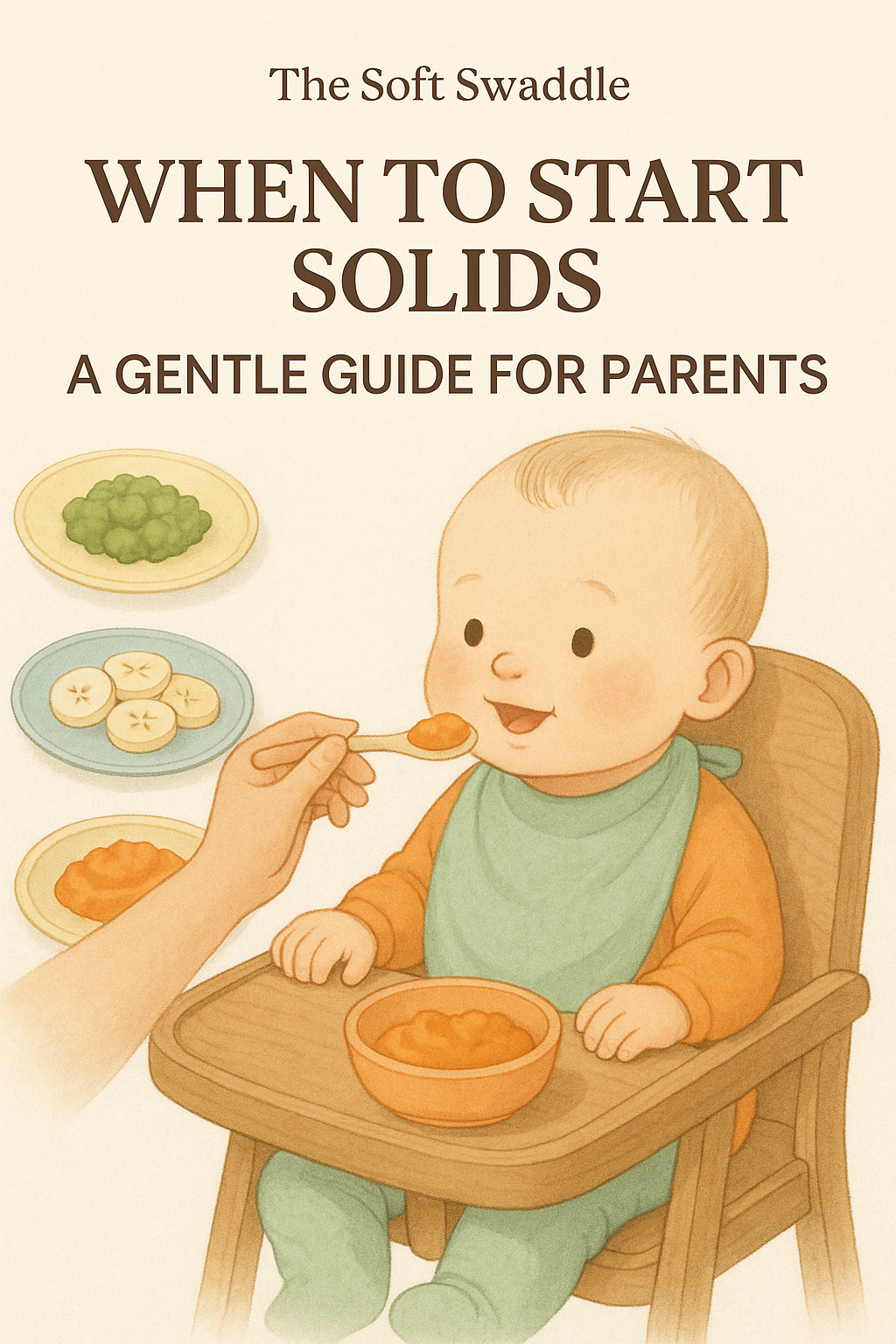
When to start solids for baby is one of the biggest questions new parents face. The journey from exclusive breastfeeding or formula feeding to introducing solid foods is both exciting and a little overwhelming. Every baby is unique, and while guidelines provide a roadmap, your little one will give you the clearest signals about readiness. This article will walk you through when and how to start solids, which foods are best in the early months, what to avoid, and how to prepare meals safely and lovingly.
Understanding Readiness for Solids
Most babies are ready to start solids around 6 months of age, but it is not a strict rule. Some babies may show signs a little earlier, while others take longer. The key is to watch for cues rather than rely on the calendar alone.
Signs your baby may be ready include:
- Sitting with minimal support
- Showing interest in what you are eating
- Opening the mouth when offered a spoon
- Loss of the tongue-thrust reflex that pushes food out
- Ability to grasp small objects and bring them to the mouth
If your baby does not yet show these signs, it is perfectly fine to wait a little longer. Forcing solids too early can create stress for both you and your child.
Best First Foods for Baby
When you begin, the goal is not to fill your baby up but to expose them to new textures, tastes, and nutrients. Start with small spoonfuls once or twice a day, ideally after a milk feed when your baby is calm and happy.
Good first foods include:
- Iron-rich options: Single-grain iron-fortified cereals, pureed lentils, mashed beans, or soft-cooked egg yolk. Iron is essential at this stage because babies’ natural iron stores begin to decline after 6 months.
- Vegetables: Steamed and pureed carrots, sweet potato, pumpkin, and peas are mild in taste and easy to digest.
- Fruits: Mashed banana, avocado, steamed apple or pear puree provide natural sweetness and vitamins.
- Protein sources: Pureed chicken, fish with low mercury content, or tofu once your baby gets comfortable with basic textures.
Always introduce one new food at a time and wait for three days before trying another to monitor for allergies. Parents often wonder not only what to feed but also how much is enough. Every baby’s appetite is different, so portion sizes can vary. If you are curious about the right amount for your little one, check out our guide on how much should my baby eat.
What Foods to Avoid in the First Year
Just as important as what to give is what to avoid. Some foods may pose choking hazards or be unsafe for a developing digestive system.
Foods to avoid include:
- Honey, due to the risk of botulism
- Cow’s milk as a drink before 12 months (though small amounts in cooking are fine)
- Whole nuts and popcorn which are choking hazards
- Salty foods like chips, processed snacks, or soups with added salt
- Sugary foods and juices that can harm tiny teeth and provide empty calories
- Seafood high in mercury such as shark or swordfish
- Raw or undercooked eggs and meat
Keeping these off the menu ensures your baby has a safe and positive start with solids.
How to Prepare Baby’s First Meals
Preparation is simple and does not require fancy tools. The goal is to make foods soft, smooth, and easy to swallow.
- Steam vegetables until they are very soft and blend or mash with a little breast milk or formula for a creamy texture.
- Mash ripe fruits like bananas or avocados with a fork for a quick snack.
- Cook lentils or beans until very soft and blend into a puree.
- For cereals, use iron-fortified baby rice mixed with breast milk or formula until it reaches a thin porridge-like consistency.
- As your baby gets older, you can gradually move from smooth purees to mashed and then finely chopped textures to encourage chewing skills.
Using fresh, seasonal ingredients will give your baby the best taste and nutrients while building healthy eating habits.
Creating a Positive Feeding Environment
The introduction of solids is not just about nutrition, it is also about developing a healthy relationship with food. Babies learn by watching, so let them see you eat. Share mealtimes, smile, and talk softly as you feed them. Keep distractions like television or loud music away so your baby can focus on the new experience.
Do not worry if your baby spits out food at first. It is part of learning. Offer the same food a few more times before deciding they do not like it. Repeated exposure often works wonders.
Building a Balanced Plate Over Time
By 8 to 9 months, your baby can handle more variety. Offer a combination of grains, proteins, fruits, and vegetables daily. Small portions of soft finger foods such as steamed carrot sticks, banana slices, or scrambled egg encourage independence.
Remember, breast milk or formula remains the main source of nutrition until the first birthday. Solids complement milk, not replace it. Aim for balance rather than rushing to complete meals.
Safety Tips While Feeding Solids
Safety should always come first during feeding. Here are some reminders:
- Always supervise your baby while eating
- Keep foods soft and cut into small, manageable pieces
- Avoid adding salt, sugar, or strong spices
- Introduce allergenic foods like peanuts or eggs early but in small, safe forms after consulting your pediatrician
- Ensure proper hygiene by washing hands and utensils thoroughly before preparing food
Common Concerns Parents Have
What if my baby refuses food? This is normal. Keep offering different textures and flavors without pressure.
What if my baby gags? Gagging is part of learning and is different from choking. Stay calm and give them time to adjust.
What about food allergies? Introduce allergenic foods one at a time and watch closely for any reaction such as rash, vomiting, or swelling. Seek medical help immediately if you notice severe symptoms.
Final Thoughts on When to Start Solids for Baby and Beyond
Nutrition during the first year lays the foundation for long-term health. Along with balanced solids, natural ways to build your child’s immunity play an important role in keeping them strong. For more tips, explore our article on how to boost child immunity naturally.
Introducing solids is one of the most memorable milestones in your baby’s first year. It is a chance to explore flavors, textures, and family traditions. Remember, when to start solids for baby is guided more by readiness than age. Trust your instincts, take it slow, and focus on making mealtimes positive and stress-free. By offering nutritious foods, avoiding unsafe options, and preparing meals with care, you give your baby a healthy foundation that will last a lifetime.
One Comment