The Ultimate Baby Massage Guide: Proven Benefits, Oils and Techniques
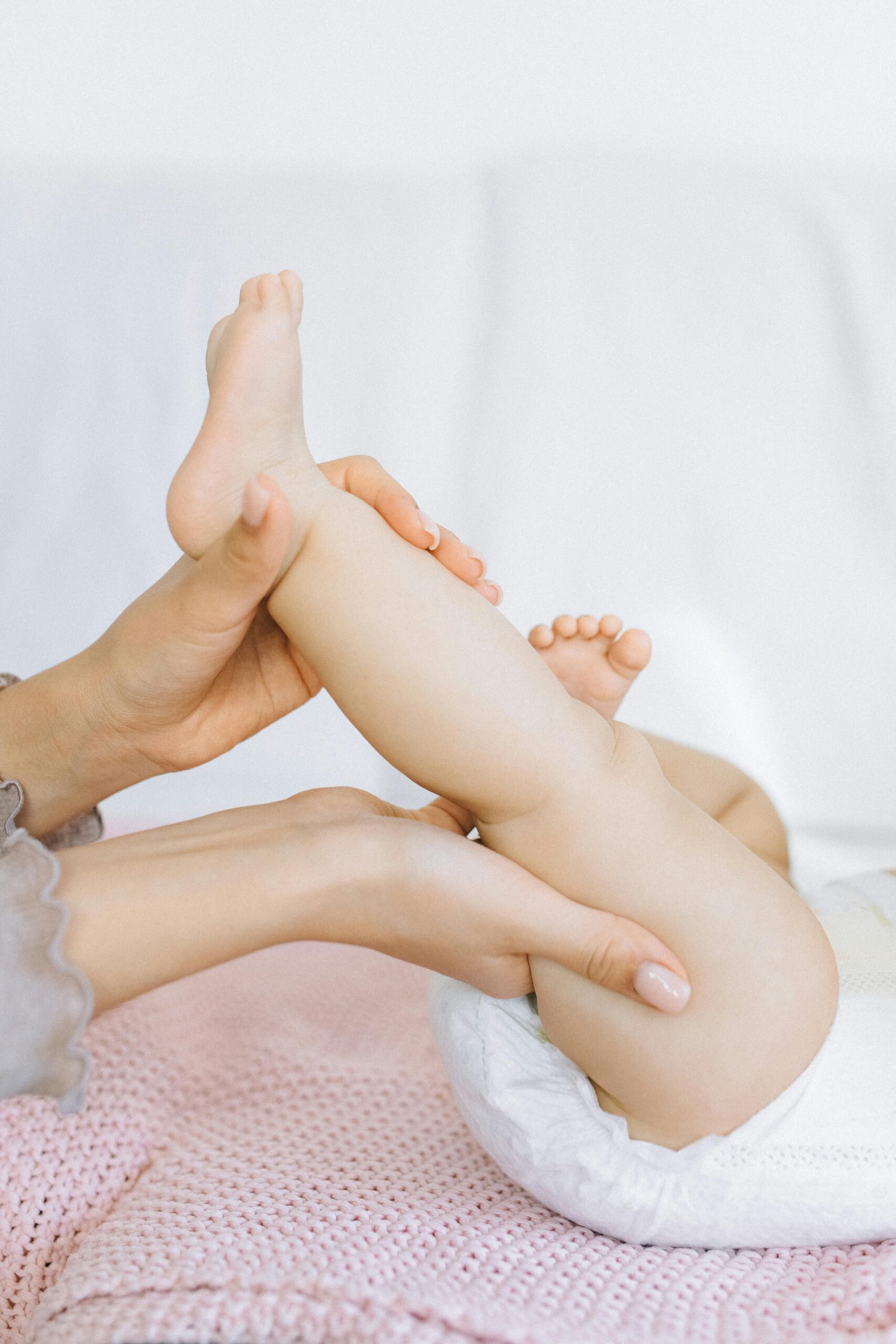
Baby massage is one of the most beautiful ways parents can bond with their little one. Gentle touch not only comforts a newborn but also promotes better sleep, digestion, and overall development. If done correctly, baby massage can become a calming daily ritual for both the baby and the parent.
This ultimate guide covers techniques, benefits, best oils, precautions, and timing to ensure you get the most out of every massage session.
Why Baby Massage Matters
Touch is the first language babies understand. Regular massages help in:
- Improving blood circulation
- Strengthening bones and muscles
- Supporting healthy digestion and easing colic
- Promoting better sleep patterns
- Boosting parent-child bonding through eye contact and gentle interaction
When done with care, massage is not only relaxing but also contributes to a baby’s emotional security.
Best Time to Give Your Baby a Massage
Timing is everything. The ideal time to massage your baby is when they are calm, alert, and not too hungry or too full. Some parents prefer morning massages to help energize the baby for the day, while others choose evenings as a way to wind down before bedtime.
- Morning massage: Helps stimulate the baby and prepare them for activity.
- Evening massage: Creates a soothing routine that can encourage better nighttime sleep.
Avoid massage right after feeding. Wait at least 45 minutes to 1 hour after feeding to prevent discomfort.
How Long Should a Baby Massage Last
For newborns, 10 to 15 minutes is usually enough. As the baby grows, massage sessions can be extended up to 30 minutes, depending on the baby’s comfort. The key is to observe your child’s cues. If they show signs of fussiness, it’s best to stop.
Should You Massage Before or After Bath
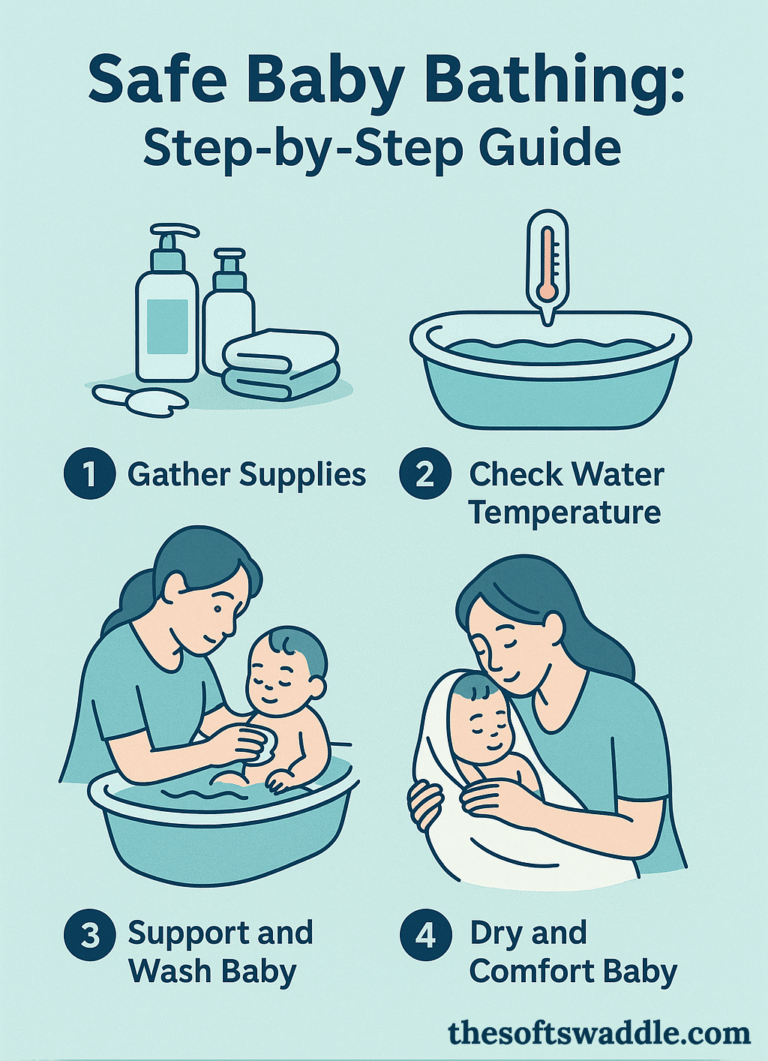
Traditionally, in many cultures, babies are massaged before a warm bath. This allows oils to penetrate the skin and then be washed off, leaving the baby refreshed and comfortable. You can also explore our safe baby bathing guide to make bath time gentle and enjoyable for your little one.
However, some parents prefer massaging after a bath when the baby’s skin is clean and warm. In such cases, choose a lighter oil or lotion that does not make the skin greasy.
Tip: If you massage before a bath, wait at least 20 minutes before bathing so the skin absorbs the oil.
Choosing the Right Oil for Baby Massage
Not all oils are suitable for babies. The choice depends on the baby’s skin type, the climate, and any allergies.
Best Oils for Baby Massage
- Coconut oil: Light, cooling, and ideal for hot or humid weather.
- Sesame oil: Traditional choice, warming in nature, good for winter months.
- Olive oil: Moisturizing and rich in vitamins, but may feel heavy in hot climates.
- Almond oil: Gentle and nourishing, suitable for most skin types.
- Mustard oil (diluted): Popular in colder regions, but should always be used with caution and mixed with milder oils.
Oils to Avoid
- Mineral oil and petroleum-based oils: They can clog pores and are not safe for sensitive baby skin.
- Essential oils (undiluted): Too strong for babies, may cause irritation or allergic reactions.
- Mustard oil (in hot weather): Can overheat the body and cause rashes.
- Peanut oil: Risk of triggering nut allergies.
Baby Massage Techniques Step by Step
Always use gentle but firm strokes. Warm your hands by rubbing them together before applying oil. Here are some simple techniques:
- Legs and feet:
- Hold one leg and gently stroke from thigh to ankle.
- Use your thumbs to make small circles on the soles of the feet.
- Arms and hands:
- Stroke from shoulder to wrist, then massage each finger lightly.
- Chest and tummy:
- Place both hands flat on the chest and gently sweep outward.
- For the tummy, make small clockwise circles to aid digestion.
- Back:
- Place your baby on their tummy.
- Stroke from shoulders to buttocks with open palms.
- Head and face:
- Use your fingertips to gently stroke the scalp.
- With light circular motions, massage the cheeks and around the jawline.
Tip: Always maintain eye contact and talk softly during the massage to make your baby feel secure.
Safety Precautions During Baby Massage
- Always choose a warm, quiet, and safe space.
- Test the oil on a small patch of skin to rule out allergies.
- Avoid pressing on the baby’s soft spots (fontanelle on the head).
- Never massage a sick or feverish baby.
- Do not use strong fragrances or adult massage oils.
- Stop immediately if your baby cries excessively or shows signs of discomfort.
For more baby care basics, check out our guide on diapering mistakes new parents often make to help keep your baby comfortable and happy throughout the day.
Additional Tips for a Relaxing Massage
- Remove rings, watches, or jewelry before massaging.
- Keep nails trimmed to avoid scratches.
- Maintain a room temperature of around 25–28°C, so the baby feels comfortable.
- Keep a soft towel or blanket nearby in case the baby feels cold.
Final Thoughts
Baby massage is more than just a physical routine; it is a heartfelt interaction that builds trust, love, and comfort between you and your child. By choosing the right oils, following gentle techniques, and respecting your baby’s cues, you can turn massage time into one of the most cherished parts of your day.
Whether you choose mornings for stimulation or evenings for relaxation, consistency is key. With a little practice, you will soon master the art of baby massage, giving your little one both health benefits and emotional warmth that lasts a lifetime.

3 Comments